
 86 158 01078718
 86 551 65628861
Views: 0 Author: Site Editor Publish Time: 2025-06-17 Origin: Site


Can electrical current ignite fiberglass? This question often arises in industries that rely on fiberglass for insulation and protection. Fiberglass is widely used in electrical, construction, and automotive applications due to its durability and heat resistance.
In this post, we’ll explore how electrical current interacts with fiberglass, and whether it can cause ignition. You’ll also learn about the properties of fiberglass, the factors influencing its flammability, and key safety precautions.
Fiberglass is widely used in electrical applications due to its exceptional insulating properties. It helps to prevent electrical hazards by providing resistance to the flow of electrical current. Let’s take a closer look at how fiberglass behaves when used in electrical systems.
Fiberglass is non-conductive, meaning it doesn’t allow electrical current to flow through it. This is the primary reason it is used for electrical insulation. The material is made of fine glass fibers and coated with resin, which gives it its insulating properties.
Fiberglass’s ability to resist electrical conductivity is a key factor in its widespread use for protecting wires, cables, and other electrical components. Unlike metals like copper and aluminum, which conduct electricity well, fiberglass doesn’t allow the passage of current. This makes it ideal for preventing short circuits and electrical shocks in systems.
Compared to conductive materials, fiberglass offers much better protection in electrical applications. It prevents electrical leakage, keeping the environment safe for both equipment and users.
Fiberglass’s dielectric properties are what make it an effective insulator. Dielectric materials do not allow the flow of electrical current, and fiberglass is no exception. The misconception that fiberglass might conduct electricity arises because of its resin coating. However, this resin only serves to strengthen the fiberglass and improve its resistance to electrical flow.
Fiberglass insulation works by blocking electrical current from reaching critical parts of a system. It’s commonly used around wires and components to ensure that no electrical charge escapes. As long as the fiberglass remains intact and undamaged, it will not allow current to flow through it.
In high voltage environments, fiberglass acts as a protective barrier, ensuring the safe operation of electrical systems without the risk of electrical short circuits or shock.
Although fiberglass is well-known for its resistance to heat, it’s essential to explore whether electrical currents can ignite it under extreme conditions.
Ignition occurs when a material reaches a temperature high enough to catch fire. Fiberglass itself is heat-resistant and is generally not flammable. It can withstand high temperatures without melting or combusting. However, extreme conditions can weaken its structure.
Fiberglass is often used as insulation in environments where high heat is generated. The material's ability to withstand these temperatures makes it a preferred choice for electrical wiring, circuit boards, and other electrical systems that generate heat.
Even though fiberglass has thermal resistance, electrical currents can cause heat buildup if they exceed certain limits. This heat may degrade the material, and while fiberglass itself might not catch fire easily, it could eventually become vulnerable to damage.
There are a few important factors to consider that could cause fiberglass to ignite:
1. Temperature: Electrical currents generate heat, and if the current is too high, it can cause the fiberglass to reach dangerous temperatures. This could lead to overheating or even cause the insulation to melt.
2. External Factors: Environmental conditions, such as high humidity, exposure to chemicals, or UV radiation, can weaken fiberglass. These factors may reduce its thermal resistance and make it more susceptible to heat damage.
3. Durability and Quality: Not all fiberglass products are the same. The quality of fiberglass plays a crucial role in determining how much heat it can withstand. Lower-quality fiberglass might degrade faster under electrical stress, increasing the risk of ignition.
Fiberglass used in electrical applications must meet rigorous safety standards to ensure its performance and reliability. These standards are set by organizations such as IEC (International Electrotechnical Commission) and ASTM (American Society for Testing and Materials). These organizations have established testing procedures to check the thermal resistance and electrical insulation properties of fiberglass.
For example, the IEC 60454-3-1 standard specifies that fiberglass tape must meet specific adhesion strength and dielectric properties to be safe for use in electrical systems. Additionally, ASTM D3759 outlines methods for testing the breaking strength and elongation of fiberglass materials. Such testing ensures that fiberglass can handle electrical currents without degrading or catching fire.
Standard | Purpose | Key Test |
IEC 60454-3-1 | Electrical insulation tape standards | Dielectric strength, adhesion tests |
ASTM D3759 | Strength and durability testing | Breaking strength, elongation |
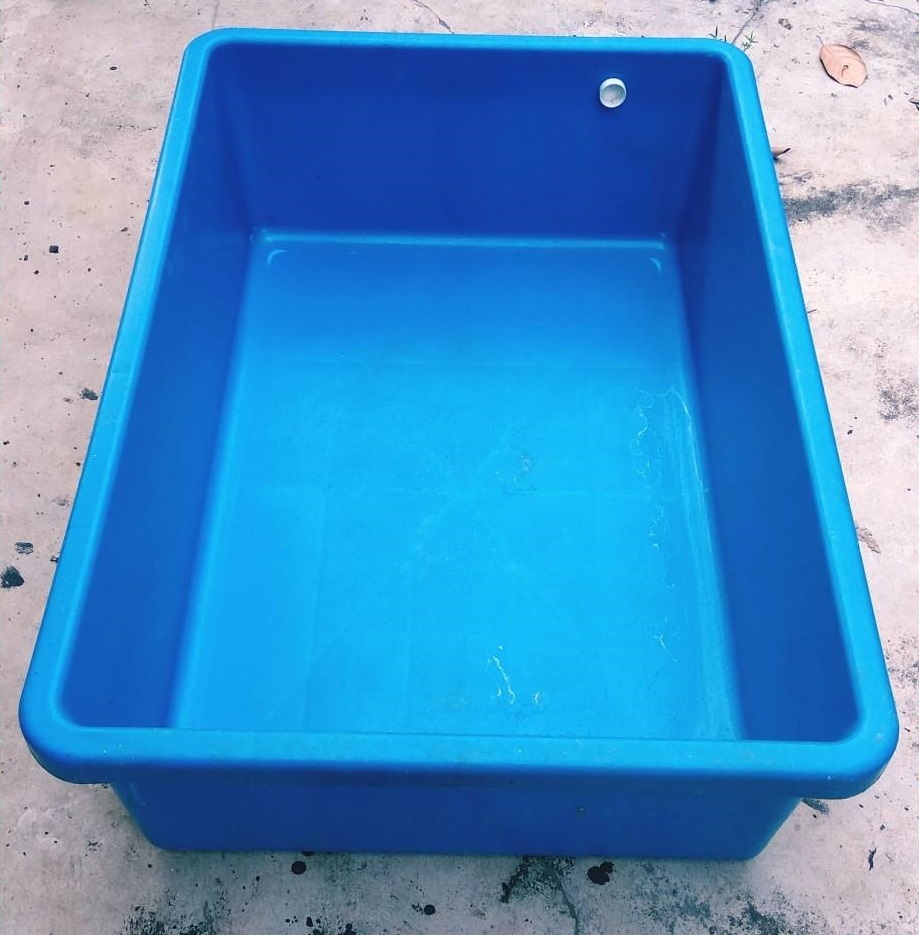
Fiberglass may resist heat, but it’s essential to understand the potential risks when it’s exposed to electrical currents that generate excessive heat.
When electricity passes through materials, electrical resistance causes them to heat up. This is a natural byproduct of the flow of current. In metals, this heat is typically carried away by the material. But in non-conductive materials like fiberglass, the heat can build up.
If the electrical current passing through fiberglass exceeds its thermal capacity, it may begin to heat up. While fiberglass won’t easily ignite, it can begin to degrade under high temperatures. In such cases, the resin could break down, weakening the fiberglass’s insulating properties.
To prevent overheating in fiberglass, it’s important to follow best practices:
● Proper insulation: Use fiberglass rated for high-temperature environments. Ensure it meets the necessary standards for heat resistance.
● Material selection: Choose high-quality fiberglass products designed for electrical applications. These materials can handle higher electrical currents and prevent overheating.
● Regular inspections: Check the integrity of fiberglass insulation periodically. If it shows signs of wear or damage, replace it immediately.
Preventive Measures | Description |
Use high-temperature fiberglass | Choose fiberglass with high heat resistance |
Regular maintenance | Inspect for wear and replace damaged parts |
Proper insulation installation | Ensure the correct method to avoid overheating |
By adhering to these guidelines, overheating risks can be minimized, ensuring that fiberglass remains an effective insulator for electrical applications.
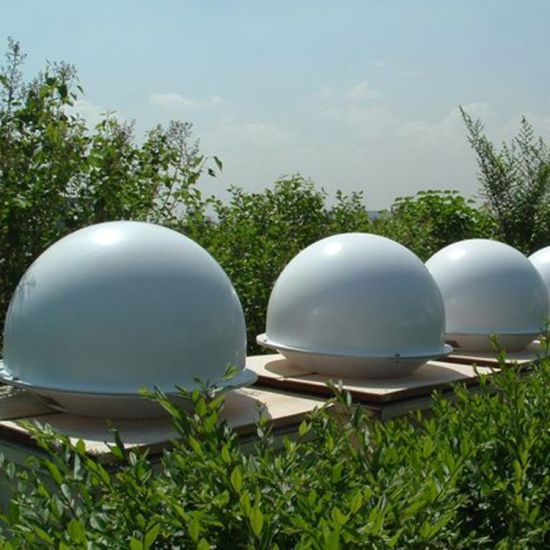
While fiberglass is an excellent insulator, electrical current can still pose risks in certain situations.
Electrical wiring and insulation materials often use fiberglass to prevent electrical faults. However, each application has its own set of challenges:
● Electrical wiring and cable insulation: If cables are exposed to excessive heat, the fiberglass insulation might degrade, leading to short circuits or electrical fires.
● Motor and transformer windings: High temperatures in motors or transformers can cause the fiberglass insulation to fail, risking damage to the entire system.
● Circuit board applications: In high-performance circuit boards, fiberglass is used to insulate the components. However, overheating could cause it to lose its insulating properties, leading to circuit failures.
The most severe consequence of fiberglass ignition is damage to electrical systems, which could result in system shutdowns, costly repairs, or even fires. Electrical fires are dangerous and can cause damage to property and put workers at risk. Ensuring proper insulation and using high-quality fiberglass is crucial in preventing these potential hazards.
Fiberglass is an excellent electrical insulator, resistant to electrical current and heat. It is not easily ignited by electrical currents under normal conditions. However, excessive heat from high currents or external factors can cause damage.
Following safety standards and proper handling is crucial to ensure fiberglass performs safely in electrical applications.
A: Fiberglass is used primarily as insulation for electrical wires and cables. It provides electrical insulation, preventing short circuits and electrical shocks. Its resistance to heat and moisture makes it ideal for industrial and high-temperature environments.
A: No, fiberglass is a non-conductive material. It resists electrical conductivity, making it an effective insulator in electrical systems.
A: Excessive electrical currents causing overheating, environmental conditions like humidity or chemicals, and the quality of fiberglass can influence its susceptibility to ignition.
A: Fiberglass used in electrical applications undergoes rigorous testing according to standards like IEC 60454-3-1 and ASTM D3759, ensuring it meets the required strength and insulation properties.


 info@xhyfrp.com.cn
 86-15801078718
 Plant No.4, Area E, Nanju Industrial Park,Hangbu Town, Shucheng County, Anhui, China


