
 86 158 01078718
 86 551 65628861
Views: 268 Author: Site Editor Publish Time: 2025-12-18 Origin: Site


Fishing boats are subject to constant exposure to harsh conditions, from salty ocean water to high humidity and marine growth. For operators seeking reliable and long-lasting vessels, choosing the right hull material is critical. Traditional materials like metal and wood are often vulnerable to corrosion, leading to expensive maintenance and a shorter lifespan. In contrast, FRP hulls (Fiberglass Reinforced Plastic) offer exceptional resistance to corrosion, making them a preferred choice for those who need a durable, low-maintenance fishing vessel. This article will explain why fiberglass hulls are the best solution for corrosion resistance, their real-world benefits for fishing operations, and how they can save you both time and money.
Fishing boats face one of the harshest environments in the world. Saltwater, humidity, marine growth, and chemical exposure all contribute to the wear and tear that boat hulls endure. Understanding these challenges is essential to appreciating why FRP hulls are so effective in tackling these issues.
Saltwater is one of the most aggressive corrosive elements a fishing vessel can encounter. Over time, metal hulls rust and deteriorate under constant exposure, leading to structural weakness and even complete failure. Similarly, wood hulls are prone to rot and decay due to moisture absorption and fungal growth. Moreover, the buildup of marine growth, such as barnacles and algae, can add extra weight and cause drag, reducing the boat’s speed and efficiency. Exposure to chemicals, whether from fuel, oil, or industrial waste, can further degrade hull materials.
Metal hulls, while strong initially, often succumb to rust and corrosion. The saltwater environment accelerates this process, weakening the structural integrity of the boat. Wood, while more resistant to corrosion, is highly susceptible to rot, especially when exposed to moisture for extended periods. These materials also require regular maintenance to prevent damage, increasing both labor and costs for boat owners. In contrast, fiberglass hulls provide a much more durable and low-maintenance alternative.
Fiberglass, or FRP, has inherent properties that make it an ideal material for fishing boats exposed to the corrosive effects of saltwater and other harsh conditions.
One of the standout features of FRP hulls is their natural resistance to corrosion. Unlike metal hulls, fiberglass does not rust or degrade in saltwater environments. The resin and glass fibers used to create fiberglass hulls are non-reactive to moisture, ensuring that the boat maintains its structural integrity over time. This makes FRP hulls the perfect choice for fishing vessels that need to withstand the aggressive nature of the marine environment.
The smooth, sealed surface of fiberglass hulls also contributes to their resistance to marine growth. Unlike wood or metal, fiberglass does not provide the rough surface that barnacles and algae can cling to. This makes it easier to clean and maintain the hull, ensuring that it remains in top condition without the need for regular scraping or antifouling treatments. The smooth finish also reduces drag, which can improve the boat’s fuel efficiency and speed.
Investing in a corrosion-resistant fishing boat with an FRP hull offers numerous real-world benefits for boat owners and operators. These advantages can significantly improve operational efficiency, reduce costs, and enhance the overall lifespan of the vessel.
Because fiberglass hulls are resistant to rust and rot, boat owners experience fewer hull-related repairs. Traditional materials like metal and wood often require extensive repairs due to corrosion or rot, leading to downtime and lost revenue. With FRP hulls, boat owners spend less time in dry dock for repairs and more time on the water, boosting productivity.
The long-term cost savings are one of the most significant benefits of fiberglass hulls. FRP hulls require far less maintenance compared to metal or wooden hulls, which need frequent cleaning, painting, and treatment to prevent corrosion and rot. The durability of fiberglass means that the boat’s hull will last longer, reducing the need for expensive repairs or replacements. This not only saves money but also contributes to a better return on investment for boat owners.
By choosing a fiberglass hull, fishing operators can enjoy better operational availability and a higher return on investment (ROI). With fewer repairs, lower maintenance costs, and a longer-lasting boat, the vessel becomes a more cost-effective asset over its lifespan. This translates to more time spent on profitable fishing operations and less time spent on upkeep.
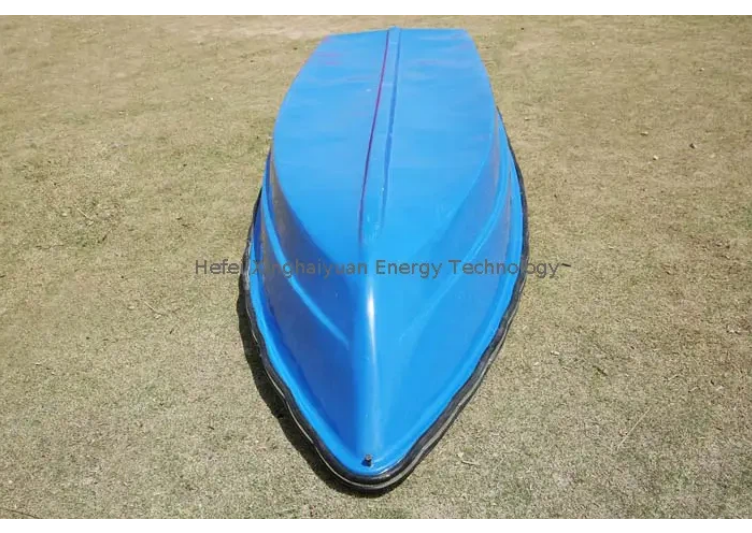
Not all FRP hulls are created equal. To ensure maximum durability and corrosion resistance, boat owners need to consider the quality of the materials and the construction process used in the hull's production.
The type of glass fiber and resin system used in the construction of an FRP hull plays a significant role in its corrosion resistance. High-quality glass fiber, combined with specialized resins such as isophthalic or vinyl ester, provides superior resistance to water, salt, and chemical exposure. These resins offer excellent bonding strength and enhanced durability, ensuring that the hull maintains its integrity even in the harshest environments.
The construction method used to create the fiberglass hull also impacts its performance. Hand-laid fiberglass hulls, where the material is applied manually layer by layer, provide a higher-quality finish and better strength. Alternatively, molded fiberglass hulls, which are produced using a mold, offer uniformity and consistency. Both methods have their advantages, but the key is choosing a reputable manufacturer with a track record of producing high-quality FRP hulls.
To further enhance corrosion resistance, FRP hulls are often treated with protective coatings or gelcoat finishes. These coatings act as a barrier against water, UV rays, and chemical exposure, helping to preserve the hull’s appearance and integrity. A smooth, well-maintained gelcoat surface is essential for minimizing the buildup of marine growth and ensuring that the boat continues to perform at its best.
When sourcing a corrosion-resistant fishing boat, there are several key questions that can help ensure you select the right vessel for your needs.
The first consideration is the environment in which the boat will be used. If you plan to operate in saltwater or near coastal areas with high humidity, a fiberglass hull is essential for long-term durability. For freshwater operations, while fiberglass hulls are still ideal, other materials may also be suitable.
It’s crucial to choose a manufacturer that understands the importance of corrosion resistance and offers vessels that are specifically designed to handle the challenges of marine environments. Ask about the materials used, the construction process, and any special treatments or coatings applied to the hull.
A reputable manufacturer should provide robust after-sales support and warranties for corrosion-related issues. Ensure that the boat you purchase is backed by a solid warranty that covers corrosion, and inquire about the manufacturer’s policy for ongoing maintenance and repairs.
In conclusion, fiberglass hulls are the optimal choice for corrosion-resistant fishing boats due to their superior durability, low maintenance requirements, and ability to withstand the harsh conditions of saltwater environments. Whether you are operating in coastal waters, offshore, or estuaries, FRP hulls offer a long-lasting solution that can save you time, money, and effort in the long run. By choosing a fiberglass hull, you ensure that your boat will remain in top condition for years, providing you with a better return on investment and more time spent fishing.
If you are looking for a corrosion-resistant fishing boat with a high-performance FRP hull, contact us today to learn more about our range of fiberglass vessels designed to meet the demands of the marine industry.
Q1: How do fiberglass hulls resist corrosion?
A1: Fiberglass hulls resist corrosion due to the non-reactive properties of the materials used. Unlike metal, fiberglass does not rust, and unlike wood, it does not absorb water, making it ideal for saltwater environments.
Q2: What maintenance is required for a fiberglass hull?
A2: Fiberglass hulls require minimal maintenance, typically involving regular cleaning to prevent marine growth and occasional checks for damage. The gelcoat finish helps to prevent marine growth and UV degradation.
Q3: How long do fiberglass hulls last?
A3: With proper care, fiberglass hulls can last for decades. Their resistance to corrosion and damage ensures that they provide long-term durability with minimal maintenance.
Q4: Can fiberglass hulls be repaired if damaged?
A4: Yes, fiberglass hulls can be repaired if damaged. Unlike metal or wood, fiberglass can be patched and restored to its original condition without compromising its strength or durability.


 info@xhyfrp.com.cn
 86-15801078718
 Plant No.4, Area E, Nanju Industrial Park,Hangbu Town, Shucheng County, Anhui, China


