
 86 158 01078718
 86 551 65628861
Views: 228 Author: Site Editor Publish Time: 2025-12-04 Origin: Site


In today's fishing industry, sustainability is no longer just a buzzword – it’s a necessity. As environmental concerns grow, commercial fisheries and recreational fishermen alike are increasingly turning to more eco-friendly alternatives. Among the most effective solutions is the use of composite fishing boats, which combine cutting-edge technology with environmentally friendly materials. These vessels, particularly those built with fiberglass hulls or FRP (Fiberglass Reinforced Plastic) materials, provide a perfect balance of performance, durability, and environmental responsibility. In this article, we’ll explore why eco-friendly boat materials like composite fishing vessels are the smart choice for modern fisheries.
Sustainability is becoming a key driver in the global fishing industry. Fisheries are facing increasing pressure from both regulatory bodies and consumers to adopt greener practices. Choosing the right materials for your fishing vessels plays a significant role in both compliance with environmental regulations and improving operational costs.
Regulatory bodies worldwide are enforcing stricter environmental standards, particularly in terms of emissions, fuel usage, and waste management. This includes regulations on fuel efficiency, carbon emissions, and the environmental impact of fishing operations. By using eco-friendly boat materials, such as fiberglass hulls, fishing companies can ensure they meet these regulations while enhancing their brand image as environmentally responsible entities. Additionally, choosing sustainable materials can lead to long-term savings by reducing fuel consumption and lowering maintenance costs, both of which are crucial factors for improving operational efficiency.
The demand for sustainable practices is not only coming from regulatory authorities but also from consumers. Today’s market increasingly values environmentally friendly practices. By investing in composite fishing vessels, companies can appeal to a growing segment of eco-conscious consumers and stakeholders who prefer products that are not only efficient but also environmentally responsible. This growing demand for eco-friendly operations is pushing the fishing industry to adopt newer, greener technologies, such as fiberglass hulls, that align with sustainability goals.
A composite fishing vessel refers to boats made using composite materials, including fiberglass and other advanced polymer-based resins. These materials offer several benefits over traditional boat-building materials like wood or metal, especially when it comes to reducing the environmental impact of fishing operations.
Fiberglass hulls, made from glass-fiber reinforced polymers (GFRP), are the backbone of composite fishing vessels. These hulls are incredibly strong and lightweight, providing excellent durability and performance in harsh marine environments. Unlike wood, which can rot, or metal, which can corrode, fiberglass is resistant to both, making it an ideal choice for a long-lasting, low-maintenance fishing vessel.
One of the most significant advantages of fiberglass hulls is their lightweight nature. Composite fishing vessels require less power to move through the water, resulting in lower fuel consumption. This reduction in fuel use translates directly into a smaller carbon footprint, contributing to the overall sustainability of fishing operations. Additionally, the lower weight means that these vessels are more fuel-efficient, offering further savings and environmental benefits to operators.
Another eco-friendly benefit of composite fishing vessels is their reduced need for maintenance. Unlike wood, which requires regular treatments to prevent rot and metal, which is prone to rust, fiberglass hulls are naturally resistant to corrosion and decay. As a result, operators spend less time and money on maintenance, and fewer chemicals are needed to protect the boat. This reduction in chemical treatments not only decreases operational costs but also reduces the environmental impact associated with the disposal of toxic substances.
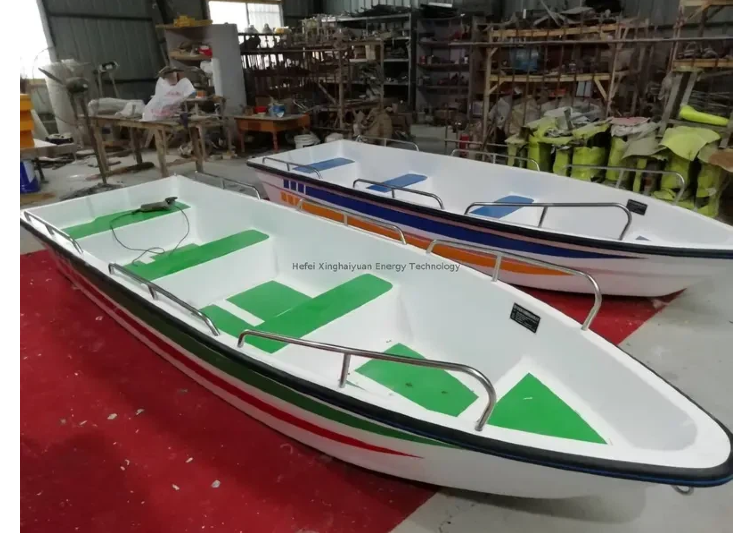
Investing in eco-friendly composite fishing vessels offers practical, real-world benefits. These vessels not only help reduce environmental impact but also improve efficiency and operational longevity, contributing to the long-term success of fishing businesses.
One of the most significant advantages of composite fishing vessels is their ability to lower lifecycle emissions. The lower fuel consumption of fiberglass hulls means that these vessels emit fewer greenhouse gases compared to traditional metal or wood boats. Additionally, the durability of fiberglass reduces the need for frequent replacements, further reducing the vessel’s environmental impact over its lifespan.
Composite fishing vessels also experience less downtime and fewer repairs, thanks to the durability of fiberglass hulls. These hulls are resistant to the common issues that plague traditional materials, such as rust, rot, and corrosion. As a result, composite vessels spend more time in operation, increasing profitability while reducing the waste associated with repairs and replacements. This reduction in downtime is particularly valuable for commercial fishing operations that rely on maximizing their time on the water.
Due to their durability and eco-friendly nature, composite fishing vessels tend to hold their value better over time compared to boats made from traditional materials. They require less maintenance and are less prone to environmental damage, making them a wise investment for the future. For operators looking to upgrade or sell their boats, composite vessels offer a better resale value, helping to future-proof their business by reducing depreciation and maintenance costs.
When sourcing an eco-friendly composite fishing vessel, it’s essential to consider several factors to ensure the boat meets sustainability goals and operational requirements.
Look for composite vessels that use certified materials and offer traceability of the materials used in construction. Certifications ensure that the materials meet environmental and sustainability standards. This can provide reassurance to operators that they are investing in a truly eco-friendly product.
The design of the hull plays a significant role in fuel efficiency. When looking for an eco-friendly fishing boat, consider the shape and design of the hull to ensure it reduces drag and maximizes fuel efficiency. A well-designed fiberglass hull ensures that the vessel performs efficiently, lowering fuel consumption and minimizing environmental impact.
A key aspect of sustainability is considering the long-term lifecycle of the boat, including its end-of-life recyclability. Fiberglass hulls are more sustainable when manufacturers offer end-of-life recycling options, ensuring that the boat can be responsibly disposed of or repurposed once it reaches the end of its operational life. Ask about the maintenance protocols and how the boat will be handled at the end of its life.
At XHY FRP, we specialize in the production of eco-friendly composite fishing vessels built with the highest-quality fiberglass hulls. Our commitment to sustainability is reflected in our choice of materials and our manufacturing processes, which prioritize durability, performance, and minimal environmental impact. We offer a range of composite fishing vessels designed to meet the demands of modern fisheries while supporting eco-friendly practices.
Our advanced molding techniques, combined with our sourcing of high-quality materials, ensure that every boat we produce meets the highest standards of quality and sustainability. Furthermore, our commitment to service and lifecycle support ensures that our vessels remain efficient and operational for years to come.
In conclusion, choosing an eco-friendly composite fishing vessel is a smart investment for modern fisheries looking to reduce their environmental impact, lower operational costs, and improve their brand image. Fiberglass hulls offer numerous advantages, including lower fuel consumption, reduced maintenance, and a longer lifespan. By selecting a composite fishing vessel, you’re not only making a responsible choice for the environment but also ensuring better profitability and operational efficiency.
At XHY FRP, we specialize in producing composite fishing vessels that meet the highest standards of sustainability and performance. Contact us today to explore how our eco-friendly vessels can help you achieve your sustainability goals and improve your business operations.
Q1: What makes composite fishing vessels eco-friendly?
A1: Composite fishing vessels are made using fiberglass hulls, which are lightweight, durable, and require less fuel to operate, reducing carbon emissions. Additionally, these vessels require less maintenance and fewer chemicals, making them more environmentally friendly.
Q2: How do fiberglass hulls contribute to fuel efficiency?
A2: The lightweight nature of fiberglass hulls reduces drag, allowing the vessel to move more efficiently through the water. This results in lower fuel consumption, which not only reduces operating costs but also minimizes the boat's carbon footprint.
Q3: Are composite fishing vessels more durable than traditional boats?
A3: Yes, composite fishing vessels are more durable than traditional metal or wood boats. Fiberglass hulls are resistant to corrosion, rot, and rust, ensuring a longer lifespan and fewer repairs over time.
Q4: Can composite fishing vessels be recycled at the end of their lifecycle?
A4: Yes, fiberglass hulls can be recycled, and many manufacturers now offer end-of-life recycling programs. This ensures that the vessel can be responsibly disposed of or repurposed, further enhancing the sustainability of composite boats.


 info@xhyfrp.com.cn
 86-15801078718
 Plant No.4, Area E, Nanju Industrial Park,Hangbu Town, Shucheng County, Anhui, China


