
 86 158 01078718
 86 551 65628861
Views: 0 Author: Site Editor Publish Time: 2025-08-20 Origin: Site


Are you wondering how long fiberglass septic tanks last? It's crucial to know, especially when investing in wastewater management systems.
Fiberglass septic tanks are durable, corrosion-resistant, and popular for their longevity. Understanding their lifespan helps homeowners and businesses make informed decisions.
In this post, we’ll explore factors affecting their lifespan and share tips to ensure your septic tank lasts as long as possible.
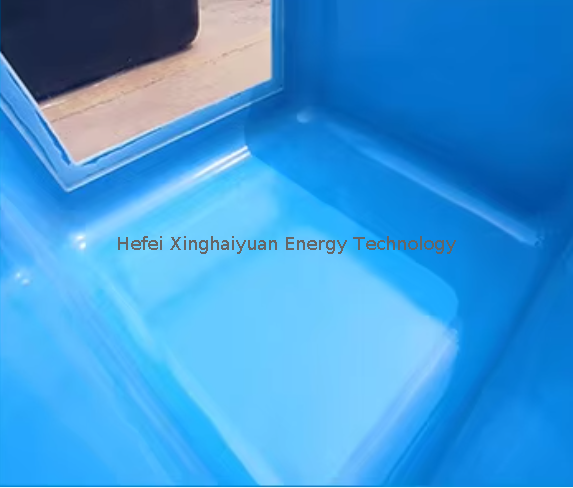
Fiberglass is known for its strength and resistance to rust and corrosion. Unlike steel, which corrodes over time, or concrete, which can crack and wear down, fiberglass maintains its integrity. The material's ability to withstand harsh conditions helps extend its life.
Fiberglass is lightweight, watertight, and won’t rust or rot like steel. Concrete tanks, though durable, can crack under pressure or soil shifts. In comparison, fiberglass offers a more consistent performance over time.
Proper installation is key to maximizing the lifespan of your fiberglass septic tank. A professional installer will ensure that the tank is placed correctly and that there are no unnecessary stresses on the system. Incorrect installation can lead to shifting, leaks, or even tank failure.
When installed improperly, even a high-quality tank will face issues such as cracks, leaks, or poor performance. So, always hire a certified professional.
Routine maintenance is essential. Regular pumping every 3-5 years helps prevent sludge buildup, which can shorten the tank’s life. Inspections allow for early detection of problems, ensuring timely repairs and extending the tank’s effectiveness.
Without proper care, minor issues can escalate into costly repairs. Keeping the tank clean and well-maintained avoids potential system failures.
Soil type plays a significant role in tank longevity. Acidic soils can cause corrosion and erosion, reducing the fiberglass tank’s durability. Alkaline soils are gentler, providing a better environment for the tank.
Groundwater levels also affect performance. High groundwater can make the tank susceptible to floating or shifting, potentially damaging the system. Flood risks can similarly pose threats to tank stability.
Tree roots can grow into the septic system, causing clogs or breaks in the pipes. Proper placement of the tank away from trees and dense vegetation is crucial for preventing damage.
Fiberglass septic tanks typically last between 20 and 30 years. However, with proper care and maintenance, some fiberglass tanks can last even longer—up to 40 years. Regular pumping and inspections help prevent wear and ensure long-term durability.
Factors such as soil type, usage, and installation quality can affect how long the tank lasts. With the right conditions, fiberglass tanks remain reliable and efficient for decades.
When compared to other septic tank materials, fiberglass stands out for its durability and resistance to corrosion. Steel tanks, while sturdy, typically last only 15 to 20 years due to rust and corrosion. Concrete tanks, on the other hand, can last over 40 years but are more prone to cracks and shifting under pressure.
| Material | Lifespan | Benefits | Challenges |
|---|---|---|---|
| Fiberglass | 20-30 years | Corrosion-resistant, lightweight | Can shift if poorly installed |
| Steel | 15-20 years | Durable, affordable | Prone to rust |
| Concrete | 40+ years | Long-lasting, strong | Prone to cracking |
Each material has its advantages, but fiberglass offers a solid balance of durability and resistance to environmental stressors.
If you notice slow drainage in sinks, bathtubs, or toilets, it might be a sign of an issue with your septic tank. These are often the first indicators that the tank is getting full or that there’s a clog in the system. Backups can also occur, meaning the wastewater is not flowing properly.
Ignoring these signs can lead to bigger problems, including potential system failure.
Unpleasant odors around your septic tank or drain field can signal problems. The smell of sewage means the tank may be overflowing or not functioning properly. It could also indicate a leak in the system.
These odors shouldn’t be ignored, as they suggest the system is not processing waste effectively.
Standing water or wet areas near the septic tank or drain field are clear signs of trouble. This often happens when the system is overwhelmed or the drain field is clogged. It may also point to a septic tank leak.
If you notice these wet spots, act quickly to prevent further damage and environmental issues.
Addressing problems early can prevent costly repairs later on. Regular inspections and pumping are essential to avoid the issues above. Keeping up with maintenance helps ensure your septic system runs smoothly for years to come.
When purchasing a fiberglass septic tank, choose a reputable brand known for quality. A well-made tank will last longer and require fewer repairs. Invest in a tank that meets industry standards for durability and resistance to corrosion.
Selecting a trusted manufacturer ensures your tank can withstand the pressures of daily use and environmental stress.
To keep your tank functioning well, it’s important to know what can and can’t go down the drain. Avoid putting food waste, chemicals, or baby wipes in the system, as these can cause blockages or damage the tank.
Be mindful of what enters the system to prevent strain and keep it running smoothly.
Regular pumping is essential to remove solids that accumulate over time. Schedule pumping every 3-5 years to maintain the tank’s capacity and prevent clogs. Inspections are also key to identifying potential issues early before they become expensive repairs.
Routine care helps extend the tank’s lifespan and ensures it works efficiently.
Proper soil conditions are crucial when installing your fiberglass septic tank. The soil should be well-drained and not overly acidic. Installing the tank in areas with high groundwater levels can cause problems like floating or shifting.
Ensure your tank is installed in suitable soil and away from flooding risks to avoid damage.
Fiberglass septic tanks can last well beyond the average lifespan of 30 years if properly maintained. Regular upkeep, such as pumping the tank every 3-5 years, helps prevent sludge buildup, which can shorten its life. Periodic inspections allow you to spot minor issues before they escalate into expensive repairs.
With attention to detail and care, some fiberglass tanks can last 40 years or even longer.
While maintenance can extend the tank's life, certain factors can reduce its longevity. Poor installation can lead to shifting or damage, causing premature failure. Neglecting routine maintenance, like skipping pumping or inspections, increases the risk of clogs and leaks.
Environmental factors such as high groundwater levels or acidic soil can also damage the tank. It’s crucial to ensure the system is installed in the right conditions to avoid these issues.
Fiberglass is known for its strength and resistance to rust and corrosion. Unlike steel, which corrodes over time, or concrete, which can crack and wear down, fiberglass maintains its integrity. The material's ability to withstand harsh conditions helps extend its life.
Fiberglass is lightweight, watertight, and won’t rust or rot like steel. Concrete tanks, though durable, can crack under pressure or soil shifts. In comparison, fiberglass offers a more consistent performance over time.
Proper installation is key to maximizing the lifespan of your fiberglass septic tank. A professional installer will ensure that the tank is placed correctly and that there are no unnecessary stresses on the system. Incorrect installation can lead to shifting, leaks, or even tank failure.
When installed improperly, even a high-quality tank will face issues such as cracks, leaks, or poor performance. So, always hire a certified professional.
Routine maintenance is essential. Regular pumping every 3-5 years helps prevent sludge buildup, which can shorten the tank’s life. Inspections allow for early detection of problems, ensuring timely repairs and extending the tank’s effectiveness.
Without proper care, minor issues can escalate into costly repairs. Keeping the tank clean and well-maintained avoids potential system failures.
Soil type plays a significant role in tank longevity. Acidic soils can cause corrosion and erosion, reducing the fiberglass tank’s durability. Alkaline soils are gentler, providing a better environment for the tank.
Groundwater levels also affect performance. High groundwater can make the tank susceptible to floating or shifting, potentially damaging the system. Flood risks can similarly pose threats to tank stability.
Tree roots can grow into the septic system, causing clogs or breaks in the pipes. Proper placement of the tank away from trees and dense vegetation is crucial for preventing damage.
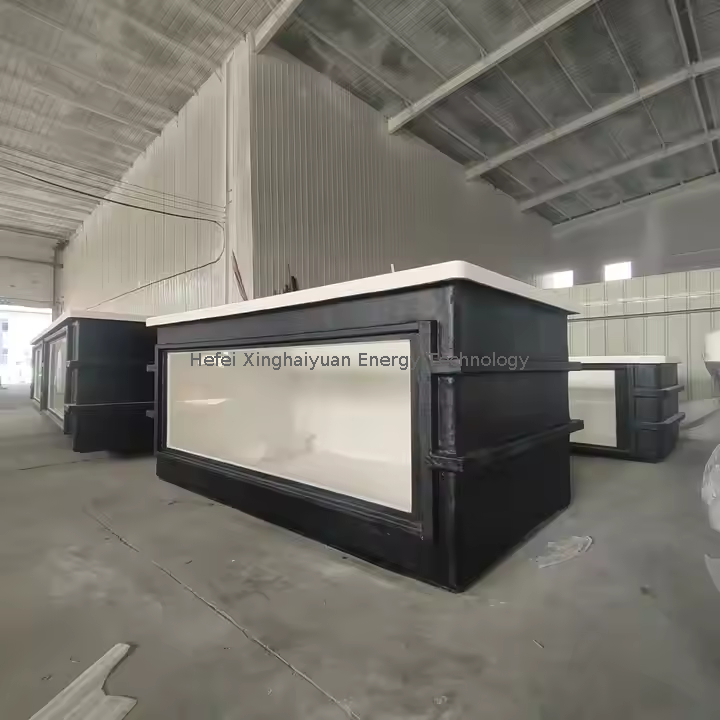
Fiberglass septic tanks typically last between 20 and 30 years. However, with proper care and maintenance, some fiberglass tanks can last even longer—up to 40 years. Regular pumping and inspections help prevent wear and ensure long-term durability.
Factors such as soil type, usage, and installation quality can affect how long the tank lasts. With the right conditions, fiberglass tanks remain reliable and efficient for decades.
When compared to other septic tank materials, fiberglass stands out for its durability and resistance to corrosion. Steel tanks, while sturdy, typically last only 15 to 20 years due to rust and corrosion. Concrete tanks, on the other hand, can last over 40 years but are more prone to cracks and shifting under pressure.
| Material | Lifespan | Benefits | Challenges |
|---|---|---|---|
| Fiberglass | 20-30 years | Corrosion-resistant, lightweight | Can shift if poorly installed |
| Steel | 15-20 years | Durable, affordable | Prone to rust |
| Concrete | 40+ years | Long-lasting, strong | Prone to cracking |
Each material has its advantages, but fiberglass offers a solid balance of durability and resistance to environmental stressors.
If you notice slow drainage in sinks, bathtubs, or toilets, it might be a sign of an issue with your septic tank. These are often the first indicators that the tank is getting full or that there’s a clog in the system. Backups can also occur, meaning the wastewater is not flowing properly.
Ignoring these signs can lead to bigger problems, including potential system failure.
Unpleasant odors around your septic tank or drain field can signal problems. The smell of sewage means the tank may be overflowing or not functioning properly. It could also indicate a leak in the system.
These odors shouldn’t be ignored, as they suggest the system is not processing waste effectively.
Standing water or wet areas near the septic tank or drain field are clear signs of trouble. This often happens when the system is overwhelmed or the drain field is clogged. It may also point to a septic tank leak.
If you notice these wet spots, act quickly to prevent further damage and environmental issues.
Addressing problems early can prevent costly repairs later on. Regular inspections and pumping are essential to avoid the issues above. Keeping up with maintenance helps ensure your septic system runs smoothly for years to come.
When purchasing a fiberglass septic tank, choose a reputable brand known for quality. A well-made tank will last longer and require fewer repairs. Invest in a tank that meets industry standards for durability and resistance to corrosion.
Selecting a trusted manufacturer ensures your tank can withstand the pressures of daily use and environmental stress.
To keep your tank functioning well, it’s important to know what can and can’t go down the drain. Avoid putting food waste, chemicals, or baby wipes in the system, as these can cause blockages or damage the tank.
Be mindful of what enters the system to prevent strain and keep it running smoothly.
Regular pumping is essential to remove solids that accumulate over time. Schedule pumping every 3-5 years to maintain the tank’s capacity and prevent clogs. Inspections are also key to identifying potential issues early before they become expensive repairs.
Routine care helps extend the tank’s lifespan and ensures it works efficiently.
Proper soil conditions are crucial when installing your fiberglass septic tank. The soil should be well-drained and not overly acidic. Installing the tank in areas with high groundwater levels can cause problems like floating or shifting.
Ensure your tank is installed in suitable soil and away from flooding risks to avoid damage.
Fiberglass septic tanks can last well beyond the average lifespan of 30 years if properly maintained. Regular upkeep, such as pumping the tank every 3-5 years, helps prevent sludge buildup, which can shorten its life. Periodic inspections allow you to spot minor issues before they escalate into expensive repairs.
With attention to detail and care, some fiberglass tanks can last 40 years or even longer.
While maintenance can extend the tank's life, certain factors can reduce its longevity. Poor installation can lead to shifting or damage, causing premature failure. Neglecting routine maintenance, like skipping pumping or inspections, increases the risk of clogs and leaks.
Environmental factors such as high groundwater levels or acidic soil can also damage the tank. It’s crucial to ensure the system is installed in the right conditions to avoid these issues.
Fiberglass septic tanks are durable and long-lasting, but their lifespan depends on material, installation, and maintenance. Proper installation and regular maintenance, like routine pumping and inspections, are key to extending their life. Environmental factors such as soil conditions and groundwater levels also play a role. By following best practices, your fiberglass septic tank can last for decades.
A: Regular pumping every 3-5 years, periodic inspections, and ensuring proper usage are essential for maintaining the lifespan of your fiberglass septic tank.
A: Yes, fiberglass tanks are resistant to corrosion and are generally more durable than steel, with a comparable lifespan to concrete tanks when properly maintained.
A: Soil conditions, groundwater levels, and tree roots can impact the longevity of your septic tank. Acidic soil, in particular, can cause erosion, reducing the tank's lifespan.
A: Signs of a failing septic tank include slow drainage, frequent backups, foul odors, and standing water around the tank area.


 info@xhyfrp.com.cn
 86-15801078718
 Plant No.4, Area E, Nanju Industrial Park,Hangbu Town, Shucheng County, Anhui, China


