
 86 158 01078718
 86 551 65628861
Views: 168 Author: Site Editor Publish Time: 2025-08-13 Origin: Site


how to clean fiberglass fish tank Keeping your fiberglass fish tank clean is crucial for the health of your aquatic life. Neglecting regular cleaning can lead to algae buildup, poor water quality, and tank damage. In this post, we’ll guide you through the best practices for cleaning your fiberglass tank. You’ll learn the essential tools, products, and a simple step-by-step process to maintain a spotless and healthy environment for your fish.

Regular cleaning ensures optimal water quality for your fish and other aquatic species. Clean water promotes healthy fish growth and reduces the risk of disease.
Algae and mineral deposits can accumulate quickly in tanks. Cleaning prevents these buildups, preserving the tank’s appearance and preventing long-term damage to the fiberglass.
Frequent cleaning removes harmful bacteria and excess nutrients. This helps maintain a safer, more stable environment for your aquatic life, reducing stress and improving overall health.
Proper care protects the tank's glossy finish. Regular cleaning keeps the fiberglass free from scratches, stains, and fading, ensuring it looks great for years.
A soft-bristled brush or sponge is essential for scrubbing without damaging the fiberglass surface. It helps remove dirt and algae without leaving scratches.
Use a specialized fiberglass cleaner or a vinegar-water solution to tackle mineral deposits and algae. These solutions break down stubborn buildup effectively.
Always avoid sharp or metal tools, as they can scratch and damage the fiberglass. Non-abrasive tools are essential to keep the surface intact.
A water siphon is perfect for draining the tank and removing debris from the substrate. A bucket makes it easier to manage the water removal process.
After cleaning, use a soft microfiber cloth or towel to dry the tank. It ensures there’s no leftover residue and prevents water spots.
Drain the Water: Use a siphon to drain the tank or carefully tip it to remove the water. Make sure it's completely empty.
Remove Decorations: Take out all decorations, plants, rocks, and other items. This helps to clean more easily and avoids damaging the decor.
Scrub the Interior: Use a fiberglass cleaner or a 50/50 vinegar-water solution. Scrub the tank’s interior surfaces gently with a soft brush or sponge. Focus on areas with algae or mineral buildup.
Stubborn Deposits: For tough stains, use an algae scraper or a razor blade made for aquariums. Be careful not to scratch the surface while cleaning.
Rinse Thoroughly: After scrubbing, rinse the tank several times with clean water. This removes all cleaning residue.
Dry the Tank: Allow the tank to air dry completely before refilling it. This prevents any leftover water spots or residue.
Refill the Tank: Add dechlorinated water back into the tank, ensuring the water temperature matches the needs of your fish.
Reinstall Decorations: Carefully place the decorations back into the tank, avoiding damage to the fiberglass surfaces.
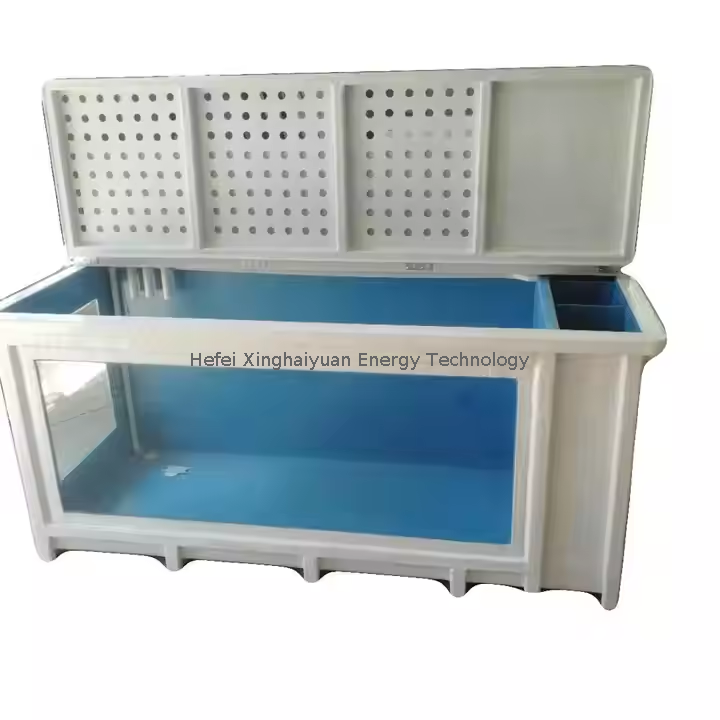
Mild soaps or aquarium-safe cleaners are crucial for cleaning fiberglass tanks. They avoid harsh chemicals that could harm aquatic life. Always choose cleaners designed for aquarium use to ensure safety.
A 50/50 vinegar-water solution is effective for removing hard water stains and mineral deposits. It’s gentle on the tank’s surface but powerful enough to tackle stubborn buildup.
Fiberglass-specific cleaners are designed to maintain the tank’s glossy finish. These cleaners prevent oxidation and preserve the fiberglass, ensuring the tank remains durable and aesthetically pleasing.
Never use metal scrapers or sharp tools on your fiberglass tank. They can easily scratch or puncture the surface, leading to long-term damage.
Periodically inspect your tank for cracks, leaks, or other signs of wear. Catching small issues early can save you from costly repairs later.
Maintaining proper water parameters (pH, hardness, salinity) will reduce stress on the fiberglass. Healthy water not only supports aquatic life but also helps preserve the tank material.
Before storing or transporting your tank, clean and dry it completely. Avoid placing it under direct sunlight, as UV rays can degrade the fiberglass over time.
Avoid using steel wool or abrasive pads. These tools can scratch the fiberglass surface, leading to long-term damage.
Skipping regular cleanings can cause algae, debris, and harmful bacteria to build up. This makes future cleaning harder and can harm aquatic life.
Never use bleach or ammonia. These chemicals can degrade the fiberglass and harm the fish and other aquatic species in the tank.
Keep an eye out for cracks, hairline fractures, or leaks. These are clear indicators that it’s time for a professional repair to prevent further damage.
Chalking or discoloration on the surface means the gelcoat is breaking down. This may require a refinish or full restoration to maintain the tank's appearance and durability.
If you notice persistent leaks or damp spots around the tank, it’s time to get it repaired. Prolonging repairs can lead to more serious damage and potential leaks.
A clean fiberglass fish tank enhances both its appearance and the health of your aquatic life. Regular cleaning and maintenance are key to extending the tank's lifespan. By following simple steps, you’ll keep it in great condition for years to come.
A: For established tanks, perform surface cleaning weekly and deep cleaning every 3-6 months. This keeps algae and mineral deposits in check while promoting healthy aquatic life.
A: No. Avoid harsh chemicals like bleach or ammonia. Use aquarium-safe or fiberglass-specific cleaners to prevent damage and protect aquatic life.
A: Use a 50/50 vinegar-water solution or a fiberglass cleaner. For tough spots, use an algae scraper or razor blade, but avoid scratching the surface.
A: Yes. Inspect for cracks or leaks regularly. Small issues can worsen over time. It's best to have them professionally repaired to avoid further damage.
A: Use a microfiber cloth or towel to dry the tank. Let it air dry completely before refilling to prevent any residue buildup.


 info@xhyfrp.com.cn
 86-15801078718
 Plant No.4, Area E, Nanju Industrial Park,Hangbu Town, Shucheng County, Anhui, China


