
 86 158 01078718
 86 551 65628861
Views: 175 Author: Site Editor Publish Time: 2025-11-17 Origin: Site


In today’s world, cleanliness and hygiene are more important than ever, especially in spaces where wash basins are frequently used. Whether in homes, public facilities, or commercial buildings, maintaining a clean and germ-free wash basin is essential for health and safety. However, traditional materials often pose challenges such as staining, bacterial buildup, and difficult cleaning processes.
Fiberglass wash basins offer a modern solution with their anti-bacterial and stain-resistant surfaces. Crafted with a smooth, non-porous finish, these basins naturally inhibit the growth of bacteria and prevent dirt and grime from adhering to the surface. This makes them much easier to clean and maintain, reducing the effort and time needed to keep wash areas spotless.
Thanks to their innovative material properties, fiberglass wash basins provide both durability and enhanced hygiene, making them an ideal choice for anyone looking to say goodbye to stubborn stains and hello to a cleaner, healthier environment.
Fiberglass wash basins are made from fiberglass reinforced plastic (FRP), a composite material known for its strength and durability. What sets these basins apart is their special surface treatment and material structure that contribute to their anti-bacterial properties. The surface of a fiberglass basin is smooth and non-porous, meaning it lacks tiny pores or cracks where bacteria and germs typically thrive and multiply.
In addition to the natural non-porous quality of fiberglass, many wash basins are treated with an anti-bacterial coating that actively inhibits the growth of harmful microorganisms. This coating creates a protective barrier, making it difficult for bacteria, mold, and mildew to settle on the surface. As a result, the basin stays cleaner for longer periods between cleanings, enhancing overall hygiene.
When compared to traditional materials like ceramic or stainless steel, fiberglass basins offer superior anti-bacterial performance. Ceramic surfaces, while smooth, can develop micro-cracks over time where bacteria can hide. Stainless steel, although non-porous, may develop scratches and corrosion that harbor germs if not properly maintained. Fiberglass basins’ seamless, coated surfaces are less susceptible to these issues, providing a more hygienic and easier-to-maintain option for both residential and commercial use.
Wash basins, no matter the material, are prone to accumulating various types of stains over time. Understanding these common stains and their causes can help users maintain cleanliness and prolong the lifespan of their basins.
Soap Scum: One of the most frequent stains, soap scum forms when soap residue mixes with minerals in water. This results in a dull, filmy layer that sticks to the basin surface, making it look dirty and less shiny. If not cleaned regularly, soap scum can build up and become difficult to remove.
Limescale (Water Deposits): Hard water contains high levels of minerals such as calcium and magnesium, which leave behind white or grayish deposits known as limescale or water spots. These deposits can dull the basin’s finish and create rough patches that attract more dirt and bacteria.
Oil and Grease: In kitchens or bathrooms, oils from skin, lotions, or cooking can leave greasy stains on the basin surface. These stains can be slippery and cause discoloration if not cleaned promptly.
Mold and Mildew: In damp or poorly ventilated areas, mold and mildew can develop on wash basins, especially around edges and seams. These fungal growths not only cause unsightly black or green spots but also pose health risks if left untreated.
These stains not only affect the appearance of wash basins but can also harbor bacteria and germs, compromising hygiene. Fiberglass wash basins, with their smooth, anti-bacterial surfaces, resist many of these issues, making them easier to clean and maintain over time.
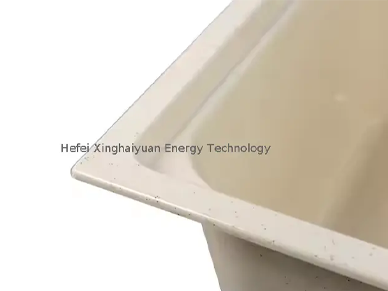
Maintaining the pristine appearance and hygiene of fiberglass wash basins requires proper cleaning techniques that protect their anti-bacterial and stain-resistant surfaces. Here are some effective methods to keep your basin spotless:
For routine cleaning, use a mild detergent or gentle soap combined with warm water. Apply the solution with a soft cloth or sponge to wipe down the entire surface of the basin. This simple step removes everyday dirt, soap residue, and bacteria without damaging the fiberglass finish. Rinse thoroughly with clean water and dry with a soft towel to prevent water spots.
For tougher stains such as limescale, mineral deposits, or grease, natural cleaners like white vinegar or a baking soda paste can be very effective. Apply white vinegar directly to the stain and let it sit for a few minutes before scrubbing gently with a soft brush or sponge. Baking soda paste (baking soda mixed with a small amount of water) can also be rubbed onto stubborn spots and rinsed clean after a few minutes. These methods break down deposits without harsh chemicals.
To preserve the fiberglass basin’s surface, avoid using abrasive cleaners, harsh chemicals like bleach or ammonia, and scrubbing pads or steel wool. These can scratch, dull, or corrode the finish, reducing the basin’s anti-bacterial effectiveness and aesthetic appeal. Also, avoid acidic cleaners that are too strong, as they may damage the surface over time.
By following these cleaning practices, you can ensure your fiberglass wash basin remains clean, hygienic, and visually appealing for years to come.
Stubborn limescale can be effectively removed using natural cleaners like white vinegar or a baking soda paste. Apply vinegar directly to the affected area, let it sit for 10-15 minutes, then gently scrub with a soft sponge. Rinse thoroughly afterward. Avoid harsh acidic cleaners that may damage the fiberglass surface.
While bleach can disinfect surfaces, frequent use is not recommended on fiberglass wash basins as it may degrade the anti-bacterial coating and dull the finish over time. Instead, use mild detergents or natural cleaning agents for routine maintenance.
No, if you use gentle cleaning agents and avoid abrasive tools like steel wool or harsh scrubbers, the anti-bacterial surface will remain intact. Regular, proper cleaning helps maintain both hygiene and surface integrity.
Prevent buildup by wiping the basin dry after each use to reduce water spots and soap scum formation. Regularly clean with mild detergents to remove residues before they harden. Ensuring good ventilation also helps prevent mold and mildew growth.
For optimal hygiene and appearance, clean your fiberglass wash basin at least once a week with mild detergent. High-traffic or commercial environments may require more frequent cleaning to maintain sanitary conditions.
Fiberglass wash basins with anti-bacterial surfaces greatly simplify the cleaning process for households. Their smooth, stain-resistant finish means less scrubbing and fewer harsh chemicals are needed, making daily maintenance quick and easy. This not only saves time but also helps protect the health of family members by minimizing bacteria buildup and promoting a cleaner living environment.
In high-traffic public areas such as shopping malls, offices, and restaurants, hygiene is a top priority. The anti-bacterial properties of fiberglass wash basins reduce the risk of germ transmission among users, supporting public health and safety. Moreover, these basins meet stringent sanitation standards required by many commercial and regulatory bodies, making them an ideal choice for such environments.
Hospitals, clinics, schools, and laboratories demand the highest level of cleanliness. Fiberglass wash basins with anti-bacterial surfaces assist these institutions by providing a hygienic fixture that resists microbial growth even under frequent use and rigorous cleaning routines. Their durability and ease of maintenance align perfectly with strict infection control protocols.
Fiberglass wash basins combine exceptional anti-bacterial and stain-resistant properties with durable, easy-to-maintain surfaces, making them a smart choice for a variety of environments. From busy homes to demanding commercial and healthcare settings, these basins help maintain a cleaner, healthier space with minimal effort.
For anyone seeking a reliable, hygienic, and stylish wash basin solution, fiberglass offers unmatched benefits. To explore a wide selection of high-quality, customizable fiberglass wash basins and learn more about their advantages, visit HEFEI XINGHAIYUAN ENERGY TECHNOLOGY CO., LTD. at www.xhyfiberglass.com today.


 info@xhyfrp.com.cn
 86-15801078718
 Plant No.4, Area E, Nanju Industrial Park,Hangbu Town, Shucheng County, Anhui, China


