
 86 158 01078718
 86 551 65628861
Views: 226 Author: Site Editor Publish Time: 2026-01-15 Origin: Site


When it comes to choosing the right fishing boat, the material and construction method of the boat are essential to its performance, durability, and overall cost-effectiveness over time. Among the various options available, hand-laid FRP (Fiberglass Reinforced Plastic) fishing vessels stand out as a top choice for serious anglers and commercial operators alike. In this article, we’ll explore why hand-laid FRP boats deliver exceptional long-term value, especially when compared to other construction methods, and how these vessels meet the needs of those who rely on their boats for daily operations in demanding marine environments. By understanding the benefits of the hand-laid process, you’ll be better equipped to decide if this type of composite fishing vessel is the right choice for your needs.
The hand-laid process refers to the method in which the fiberglass is applied by hand, layer by layer, and combined with resin to create a strong, durable boat hull. Unlike automated or spray-up methods, where fibers and resin are applied using machines, the hand-laid technique allows for greater control over the quality and consistency of each layer.
In hand-laid construction, individual sheets of fiberglass fabric are meticulously placed into a mold. Resin is then applied, saturating the fiberglass to form a solid composite material. This method ensures that the fibers are properly oriented, contributing to the hull's strength and resilience.
In comparison to spray-up or automated lay-up methods, hand-laid fiberglass offers a higher degree of precision. Automated methods are faster, but they can result in inconsistencies in the laminate, especially in terms of fiber alignment and resin distribution. Hand-laid construction provides a more uniform and dense laminate structure, resulting in a stronger and more durable hull, particularly important for vessels that face the harsh conditions of saltwater environments.
The hand-laid process offers several advantages, particularly for fishing vessels that need to withstand the rigors of marine use. Below, we’ll dive into some of the key benefits of this construction method.
Hand-laid fiberglass boats are less prone to porosity, meaning the material is denser and more consistent. This results in fewer voids within the composite material, leading to a stronger hull that resists stress and damage over time. Higher laminate quality also contributes to a smoother finish, which helps the boat glide more efficiently through the water.
One of the most significant advantages of hand-laid fiberglass hulls is their excellent strength-to-weight ratio. By using high-quality materials and applying them carefully, hand-laid boats are lighter than their traditional counterparts without sacrificing strength. This means that a hand-laid FRP fishing vessel can be more fuel-efficient and faster, while still offering the durability needed for long-lasting performance.
Hand-laid FRP boats are highly resistant to corrosion, especially in saltwater environments. The composite material does not suffer from the same rusting and deterioration that metal hulls experience, making it an ideal choice for fishing vessels that are exposed to harsh marine conditions. Additionally, fiberglass does not absorb water like wood, which helps prevent damage from rot and swelling.
Fishing vessels face some of the most demanding conditions of any type of boat. They are exposed to saltwater, heavy loads, and constant wear and tear. This is where the hand-laid fiberglass hull truly shines.
One of the main reasons FRP hulls are popular in fishing vessels is their natural resistance to corrosion. Saltwater is notorious for its ability to degrade metal, but fiberglass does not suffer from the same issue. The resin and glass fibers used in hand-laid boats form a solid, impermeable barrier that keeps the hull protected from the corrosive effects of saltwater.
Fishing boats endure constant stress as they navigate through waves and currents. The hand-laid process results in a fiberglass hull that can withstand the repeated fatigue caused by the motion of the water. Unlike metal hulls that can develop cracks or weaken over time, a hand-laid FRP hull maintains its integrity even under significant wave loads, making it ideal for long trips or rough waters.
Because of their resistance to corrosion, fiberglass hulls require less maintenance compared to traditional materials. With hand-laid boats, you can expect fewer repairs and replacements over the lifespan of the vessel. Routine maintenance typically involves washing the hull and ensuring that the gel coat remains intact, making it much less time-consuming and expensive than caring for metal or wooden boats.
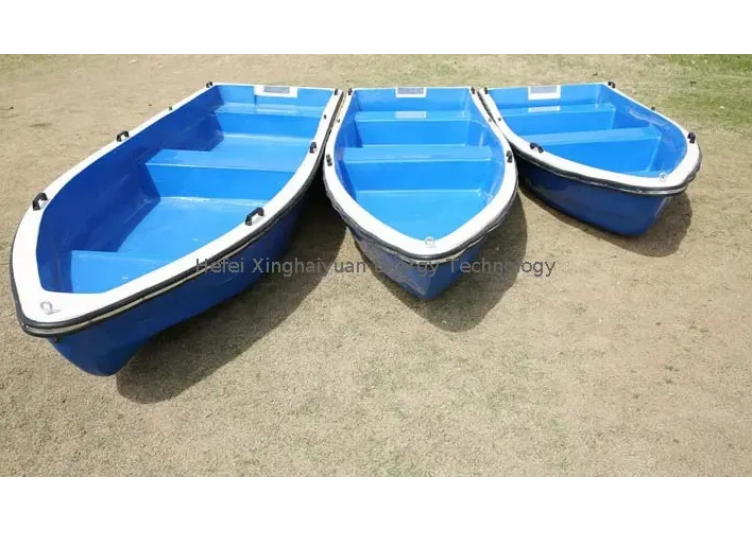
The quality of a hand-laid FRP boat is not only dependent on the materials used but also on the expertise of the craftsmen and the production process itself. When considering a hand-laid FRP hull, it’s important to understand the key factors that go into its design and production.
The strength and durability of a hand-laid fiberglass boat largely depend on the materials used. High-quality glass fiber and resins are essential to creating a strong composite material. Marine-grade resins, such as isophthalic or vinyl ester, are commonly used because they offer superior resistance to corrosion and UV degradation.
The lay-up schedule refers to the number of layers of fiberglass applied, as well as the type and orientation of each layer. A higher number of layers and a careful lay-up schedule result in a stronger hull. Quality control is also crucial, as even the slightest inconsistency in the application of resin or fiber can affect the boat’s performance and lifespan.
Some manufacturers use one-piece molds to create fiberglass hulls, while others use multiple panels that are then bonded together. One-piece molded hulls are generally stronger because there are fewer seams or joints, which are potential weak points. When opting for a hand-laid FRP boat, a one-piece molded hull typically offers superior structural integrity and fewer maintenance issues.
While the construction method itself is important, selecting the right supplier can make all the difference in ensuring the long-term value of your hand-laid FRP fishing vessel.
A supplier with years of experience in hand-laid fiberglass construction will have the necessary expertise to produce a vessel that meets the highest standards of quality and durability. The craftsmanship involved in the hand-laid process ensures that the boat will be able to withstand the rigors of marine use for many years.
Long-term value is also influenced by the after-sales support that a supplier provides. A reputable supplier will offer comprehensive warranty options and be available to provide repairs or maintenance advice when necessary. This kind of support ensures that your vessel remains in top condition throughout its lifespan.
While hand-laid FRP boats may come with a higher upfront cost compared to boats made from other materials or methods, the long-term savings in maintenance, repairs, and replacement costs make them a smart investment. When evaluating cost, it’s important to consider the total value over the boat’s entire lifespan.
Hand-laid FRP fishing vessels offer significant long-term value, particularly for those looking for durable, low-maintenance, and high-performance boats. By choosing this construction method, you ensure that your boat will withstand the demanding conditions of saltwater and heavy use. Additionally, the strength-to-weight ratio and corrosion resistance of hand-laid fiberglass make it an ideal choice for anyone who values both performance and longevity in their fishing vessel.
If you are looking for a high-quality composite fishing vessel that delivers outstanding performance, durability, and low maintenance costs, consider a hand-laid FRP boat. At XHY FRP, we specialize in manufacturing top-tier hand-laid fiberglass vessels that can meet the demands of your fishing operations.
Contact Us today to learn more about our range of hand-laid FRP fishing boats and how they can enhance your business.
Q1: How long do hand-laid FRP fishing vessels last?
A1: Hand-laid FRP vessels are known for their durability and can last for many years with minimal maintenance. Their resistance to corrosion and wear means they often outlast traditional metal or wooden boats.
Q2: What makes hand-laid FRP boats more durable than spray-up boats?
A2: Hand-laid boats have a denser laminate and more uniform distribution of fibers and resin, leading to better strength and resistance to damage, especially in harsh marine environments.
Q3: Are hand-laid FRP boats more expensive than other boats?
A3: While hand-laid FRP boats may have a higher initial cost, their long-term durability and low maintenance costs make them a more cost-effective choice over the lifespan of the vessel.
Q4: Can hand-laid FRP boats be used in both saltwater and freshwater environments?
A4: Yes, hand-laid FRP boats are highly resistant to corrosion from both saltwater and freshwater, making them ideal for all types of fishing environments.


 info@xhyfrp.com.cn
 86-15801078718
 Plant No.4, Area E, Nanju Industrial Park,Hangbu Town, Shucheng County, Anhui, China


