
 86 158 01078718
 86 551 65628861
Views: 199 Author: Site Editor Publish Time: 2025-08-29 Origin: Site


Are you considering a fiberglass septic tank for your home? These tanks are becoming a popular choice for many homeowners. Known for their durability and ease of installation, fiberglass septic tanks are a reliable solution for wastewater treatment.In this post, we’ll discuss the costs associated with fiberglass septic tanks. You'll learn how factors like size, installation, and materials influence the price.
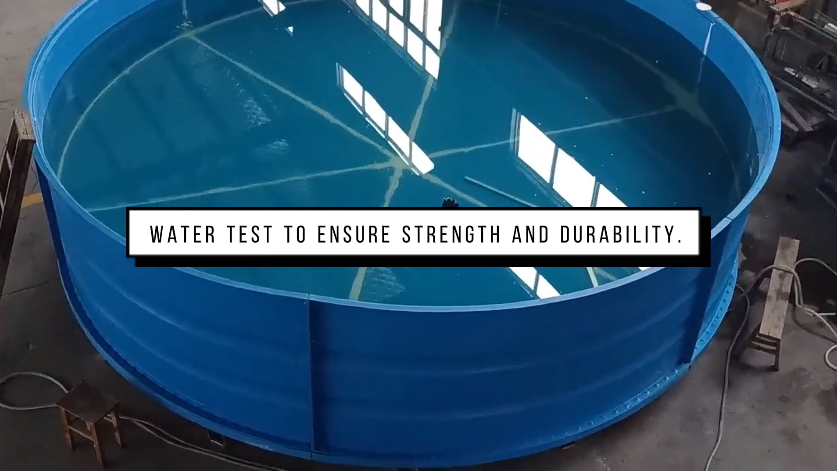
Fiberglass septic tanks offer numerous advantages that make them a preferred choice for many homeowners.
Durability: Fiberglass tanks are highly resistant to cracking, rust, and corrosion. This makes them ideal for long-term use, even in harsh environments.
Lightweight and Easy to Install: Unlike concrete or steel tanks, fiberglass is much lighter. This makes installation faster and less labor-intensive, reducing overall installation costs.
Long Lifespan and Low Maintenance: These tanks last longer, often up to 40 years. With minimal maintenance, they provide great value over time, saving you from costly repairs.
Ideal for Challenging Soil Conditions: Fiberglass septic tanks are perfect for areas with poor soil conditions or high water tables. Their structure helps them adapt to shifting soil without compromising their performance.
When considering a fiberglass septic tank, several factors determine the overall cost. From the size of the tank to the complexity of installation, here’s what you need to know.
The size of the septic tank plays a significant role in its cost. For example, a 1,000-gallon tank is generally cheaper than a 1,500-gallon tank. Larger homes require bigger tanks, which means higher costs.
Typical costs for fiberglass septic tanks:
1,000-gallon: $1,200 - $2,000
1,500-gallon: $2,000 - $3,000
2,000-gallon: $3,000 - $4,500
Soil type, water table levels, and the site's location impact installation costs. If your property has challenging soil or a high water table, installation becomes more complicated and costly.
Additional costs might include:
Soil evaluation fees
Increased labor for difficult soil types
Excavation adjustments based on soil or water conditions
Fiberglass tanks come in various designs, and the type you choose affects the price. A single-wall tank is more affordable than a double-wall tank, which provides extra protection against leaks.
Costs vary based on design:
Single-wall: Typically cheaper
Double-wall: More expensive due to added safety features
Specialized designs (e.g., low profile or high strength) can increase costs further.
The complexity of the installation also impacts the price. Factors like excavation, permits, labor, and extra materials contribute to higher costs. The installation of a standard fiberglass septic tank usually takes 1-2 days, but challenging sites may require more time.
Additional installation costs:
Permit fees: $250 - $1,000
Labor costs: $1,000 - $2,500
Excavation and preparation work
Adding parts like leach fields, distribution boxes, risers, and filters increases the total cost. These components are necessary for proper system functioning and are crucial for long-term performance.
Expected costs for components:
Leach fields: $1,000 - $5,000
Risers: $100 - $300
Filters: $200 - $300
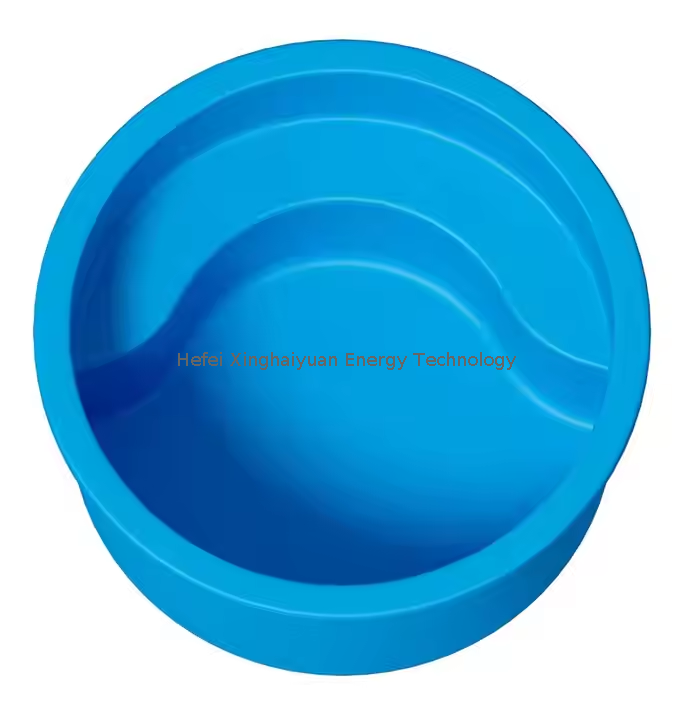
When considering a fiberglass septic tank, understanding the costs is crucial. The price can vary significantly based on size, installation type, and other factors.
The price of fiberglass septic tanks typically ranges from $1,200 to $5,000 or more, depending on the tank's size and design. Here’s a breakdown:
1,000-gallon tank: $1,200 - $2,000
1,500-gallon tank: $2,000 - $3,000
2,000-gallon tank: $3,000 - $4,500
Larger tanks: $4,500 and up
Costs can vary if you’re installing an above-ground or underground tank, with underground tanks being more expensive due to the extra work needed for excavation.
Installation costs depend on factors like excavation, pipe connections, and permit fees. On average, installation can cost anywhere from $2,500 to $6,000 or more.
Here’s what contributes to installation costs:
Excavation: $1,000 - $2,500
Pipe connections: $300 - $1,000
Permit fees: $250 - $1,000
Comparing to other materials:
Concrete tanks: Typically cheaper, but concrete can crack and is heavier to install.
Plastic tanks: Generally more affordable, but less durable compared to fiberglass.
Fiberglass is often a more cost-effective long-term option due to its durability and lower maintenance needs.
Maintaining a fiberglass septic tank is essential to ensure its long-term performance. Regular maintenance can prevent costly repairs and extend the life of your system.
Regular pumping and maintenance are crucial for keeping your septic system in good condition. On average, septic tanks should be pumped every 3 to 5 years. The cost for pumping typically ranges from $200 to $500 per service.
Effluent Filters: These prevent solids from entering the drain field. Replacing or cleaning them may cost $200 to $300.
Risers: Adding risers makes accessing the tank easier for maintenance. They usually cost $100 to $300.
These maintenance steps can significantly reduce the risk of clogs and backups.
Fiberglass septic tanks are known for their durability, but they do require occasional repairs. Over time, you may need to address issues such as:
Cracks or damage: Unlike concrete tanks, fiberglass is less prone to cracking, but damage can still occur. Repairing small cracks costs $100 to $500.
Leach field problems: The cost to repair a leach field can range from $1,000 to $5,000, depending on the damage.
Fiberglass tanks are resistant to rust and corrosion, which reduces the frequency of costly repairs compared to other materials like steel or concrete.
Fiberglass septic tanks are an investment, but there are ways to cut costs while ensuring you get the best long-term value.
One way to save money is by installing the septic tank yourself, but this comes with pros and cons.
DIY Installation:
Pros: Save on labor costs; more control over the project.
Cons: Requires knowledge and the right tools; mistakes can lead to costly repairs later.
Professional Installation:
Pros: Ensures proper installation, minimizing future problems; professionals know local regulations and have the right equipment.
Cons: Higher upfront costs for labor.
While DIY may seem cost-effective initially, professional installation can save you money in the long run by preventing mistakes and ensuring the system is installed correctly.
Choosing the right tank and system is key to saving money. Here’s what to consider:
Local Regulations: Know the rules in your area for septic tank installation, as ignoring them can lead to fines or costly upgrades.
Soil Conditions: Soil type affects tank size and the complexity of installation. A soil evaluation can help you choose the right system for your property.
Water Table: A high water table may require specialized tanks or extra materials, increasing costs. Understanding this in advance helps you avoid surprises.
By considering these factors, you can select a fiberglass septic tank that’s not only affordable but also suitable for your property’s specific needs.
Fiberglass septic tank costs depend on factors like size, soil conditions, and installation complexity. While the initial price may seem high, their durability and low maintenance offer long-term savings. Consider the long-term benefits of a fiberglass tank, as they often provide better value than cheaper alternatives in the long run.
A: Fiberglass septic tanks tend to be more expensive than plastic tanks but less expensive than concrete tanks. They are lightweight and resistant to cracking, offering long-term durability, making them a good value.
A: Fiberglass septic tanks typically last 30 to 40 years. Their resistance to corrosion and cracking helps ensure longevity, but factors like soil conditions and maintenance can influence their lifespan.
A: DIY installation is possible, but it’s complex and requires proper equipment. Professional installation ensures safety and proper function, minimizing the risk of costly mistakes.
A: Additional expenses can include permits, soil evaluations, excavation, leach field installation, and pipe connections. These costs should be considered when budgeting for the full installation.


 info@xhyfrp.com.cn
 86-15801078718
 Plant No.4, Area E, Nanju Industrial Park,Hangbu Town, Shucheng County, Anhui, China


