
 86 158 01078718
 86 551 65628861
Views: 0 Author: Site Editor Publish Time: 2026-09-22 Origin: Site


Vehicle weight reduction is a strict engineering mandate driven by fuel efficiency and emissions regulations. Traditional engine bay enclosures rely on stamped steel, cast aluminum, or dense injection-molded plastics. These legacy materials add unnecessary mass to the front end. This excess weight negatively impacts the center of gravity, payload capacity, and powertrain efficiency. Replacing these heavy metals with a fiberglass engine cover provides a measurable reduction in component weight. Engineers can shed excess pounds without sacrificing structural integrity or thermal protection. This analysis breaks down the material science, performance outcomes, and procurement considerations for integrating fiberglass reinforced plastics (FRP) into automotive manufacturing and custom builds. We will examine specific gravity comparisons, resin selection, and molding techniques that maximize mass reduction.
Superior Strength-to-Weight Ratio: Fiberglass composites offer up to a 70% weight reduction compared to stamped steel and a 30% reduction compared to cast aluminum, without compromising structural rigidity.
Component Consolidation: Molded fiberglass allows engineers to integrate acoustic dampening, thermal shielding, and structural ribbing into a single piece, eliminating the weight of secondary fasteners and brackets.
Scalable Customization: Specifying a custom vehicle engine cover in fiberglass offers lower initial tooling costs compared to metal stamping, making it viable for both low-volume specialized fleets and mid-volume production runs.
Thermal and NVH Performance: Modern FRP formulations meet strict automotive fire retardancy standards while inherently absorbing Noise, Vibration, and Harshness (NVH) better than metallic alternatives.
Lifecycle Cost Efficiency: Beyond initial weight savings, FRP components offer superior corrosion resistance and localized repairability, lowering operational expenses over the vehicle's lifespan.
Establishing baseline metrics is the first step in any mass reduction project. Automotive engineers evaluate engine bay components based on their ability to withstand high temperatures, resist chemical exposure, and maintain structural rigidity under heavy vibration. Traditional materials meet these criteria but carry a heavy weight penalty. A successful lightweighting initiative must hit these exact performance standards while dropping the component's mass. Fiberglass composites achieve this balance through high tensile strength and low physical density. We look at specific gravity to understand how much material is actually required to cover the engine block.
The core advantage of fiberglass lies in its specific gravity. Density dictates how much a given volume of material weighs. Metals require significant mass to achieve the necessary surface area for an engine enclosure. Fiberglass composites provide a much lighter alternative for the exact same footprint.
Material | Specific Gravity (g/cm³) | Estimated Weight per Square Meter (3mm thickness) | Weight Reduction vs. Steel |
|---|---|---|---|
Stamped Steel | 7.8 | 23.4 kg | Baseline |
Cast Aluminum | 2.7 | 8.1 kg | ~65% Lighter |
Fiberglass Composite (FRP) | 1.5 - 2.0 | 4.5 - 6.0 kg | ~74% - 80% Lighter |
Calculating the projected mass savings per square meter reveals dramatic results. Replacing a standard steel cover with an FRP automotive engine cover strips away over 17 kilograms per square meter of material. Even when replacing aluminum, fiberglass offers a noticeable reduction in front-end weight. This mass reduction directly translates to improved vehicle dynamics and fuel economy.
Automakers frequently use unreinforced plastics like ABS or polycarbonate to cut weight. These materials present severe limitations in the engine bay. High engine temperatures cause unreinforced plastics to warp, sag, and degrade. To prevent this deformation, engineers must design plastic covers with excessively thick walls. Thicker walls immediately negate any intended weight savings.
Fiberglass composites solve this problem through high tensile strength. The embedded glass fibers provide immense structural rigidity. This allows the resin matrix to hold its shape under extreme heat. This high strength-to-weight ratio allows manufacturers to cast significantly thinner wall sections. A thin-walled fiberglass cover easily out-performs a thick-walled ABS cover in heat deflection while weighing substantially less.
Metals are isotropic. They possess the same strength in all directions. To strengthen a specific mounting point on a steel cover, the entire sheet must often be thicker. Alternatively, heavy metal brackets must be welded on. Fiberglass is anisotropic. Engineers can dictate the directional strength of the material based on how they lay the glass fibers.
This directional strength allows for localized thickening. Manufacturers add extra layers of fiberglass only at high-stress areas, such as mounting bosses or hinge points. The rest of the cover remains incredibly thin and light. Molded-in structural ribs replace heavy metal support brackets. Integrating these ribs directly into the mold eliminates the need for heavy steel reinforcements.
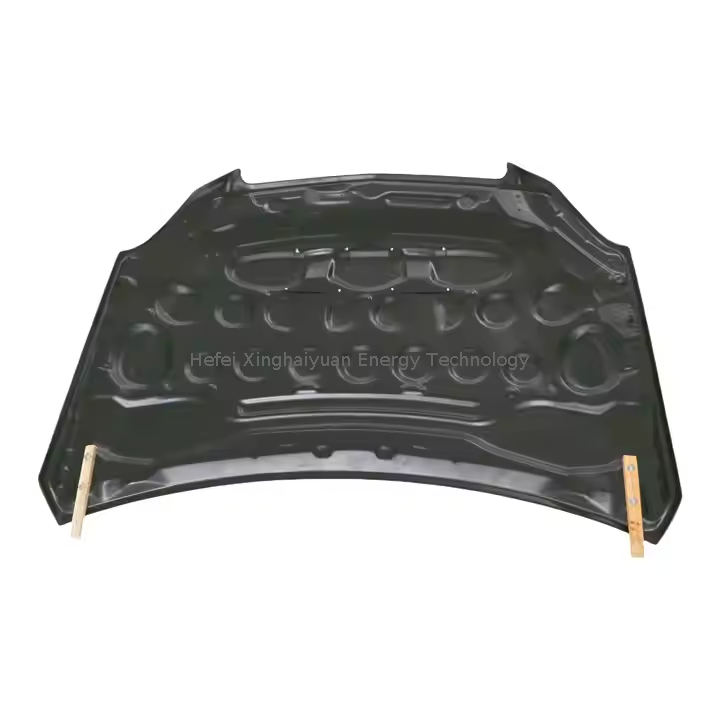
Selecting the right manufacturing process directly impacts the final weight of the component. Different fiberglass molding techniques yield different fiber-to-resin ratios. Resin is heavier than the raw glass fibers. Maximizing the glass content while minimizing excess resin is essential for optimal mass reduction.
Molding Process | Ideal Production Volume | Fiber-to-Resin Ratio | Weight Reduction Potential |
|---|---|---|---|
Sheet Molding Compound (SMC) | Mid to High (10,000+ units) | Moderate (30-40% glass) | High |
Vacuum-Assisted Resin Transfer Molding (VARTM) | Low to Mid (500 - 5,000 units) | Very High (50-60% glass) | Maximum |
Open Mold Hand Layup | Prototyping / Very Low | Low (20-30% glass) | Moderate |
The VARTM process is particularly effective for lightweighting. The steps involved ensure maximum resin extraction:
Mold Preparation: Technicians clean and apply release agents to the rigid mold surface.
Dry Fiber Layup: Dry fiberglass mats are precisely positioned according to the engineered load paths.
Vacuum Bagging: A flexible film is sealed over the mold, and a vacuum pump removes all atmospheric air.
Resin Infusion: Atmospheric pressure drives the catalyzed resin through the dry fibers, ensuring complete wet-out.
Resin Extraction: The vacuum continuously pulls excess resin out of the laminate before it cures, minimizing the final part weight.
Engineering the fiber matrix requires precision. Metal stamping relies on uniform thickness. Composite engineering aligns strength precisely with anticipated load paths. Engineers map the stress points of the engine cover and orient the fiberglass plies to intersect those specific loads. This targeted approach avoids adding unnecessary material to low-stress areas.
Resin selection also plays a vital role in weight reduction. Standard polyester resins work for cosmetic parts, but engine bays require specialized formulations. Selecting lightweight epoxy or high-temperature vinyl ester resins ensures the cover survives the harsh under-hood environment. These advanced resins maintain their structural integrity at high temperatures.
Resin Type | Thermal Tolerance (Tg) | Chemical Resistance | Application Suitability |
|---|---|---|---|
Standard Polyester | Low (60°C - 80°C) | Moderate | Cosmetic covers, low-heat zones |
Vinyl Ester | High (100°C - 130°C) | Excellent | Direct engine block covers, fluid exposure zones |
High-Temp Epoxy | Very High (150°C+) | Excellent | High-performance and heavy-duty commercial applications |
Traditional engine covers require a complex assembly of multiple parts. A steel cover needs separate acoustic foam pads glued to the underside. Heavy metal heat shields must be bolted to the exhaust side. Every bolt, clip, and bracket adds unnecessary weight to the vehicle.
Fiberglass manufacturing allows for component consolidation. Manufacturers embed lightweight thermal foils and acoustic foams directly into the fiberglass matrix during the molding process. This creates a single, unified piece. The compounding weight savings of eliminating heavy bolts, metal clips, and secondary heat shields drastically reduces the overall mass of the engine bay assembly.
Component-level weight savings mean very little if they do not translate into tangible vehicle-level performance improvements. Stripping 10 to 20 pounds from an engine cover triggers a cascade of positive effects throughout the vehicle's operating dynamics.
The engine cover sits at the very top of the engine block. It is one of the highest mounted components in the front of the vehicle. High-mounted mass negatively affects a vehicle's center of gravity. A higher center of gravity increases body roll during cornering and reduces overall handling stability.
Removing weight from this elevated position immediately lowers the vehicle's center of gravity. This translates to improved roll center dynamics and enhanced cornering stability. Shedding weight from the front end helps balance the front-to-rear weight distribution. This reduces understeer and improves steering response.
Mass is the enemy of efficiency. Reducing the sprung mass of an internal combustion engine (ICE) vehicle directly decreases the amount of energy required to accelerate and maintain speed. This leads to measurable improvements in fuel economy.
Lightweighting directly assists fleet operators in meeting stringent emissions standards. Lighter vehicles burn less fuel and emit fewer greenhouse gases. For hybrid and electric commercial vehicles, weight reduction is even more critical. Heavy battery packs already strain the vehicle's chassis. Utilizing lightweight composite enclosures offsets this battery weight. This directly contributes to extended driving ranges and improved electrical efficiency.
For commercial transport and fleet applications, every pound saved on the vehicle chassis is a pound gained in payload capacity. Commercial vehicles operate under strict gross vehicle weight ratings (GVWR). Saving 15 pounds by switching to a fiberglass engine cover allows fleet operators to carry 15 additional pounds of cargo per trip. Over thousands of trips, this minor weight reduction translates into significant operational efficiency.
Procuring composite components requires balancing upfront engineering costs against long-term operational savings. Automotive engineers must evaluate several dimensions before committing to a material change. Understanding these factors ensures the chosen solution aligns with performance targets.
Metal stamping requires massive, hardened steel dies. These dies require massive production volumes to justify the investment. This makes metal stamping entirely unviable for low-volume fleets or specialized vehicle builds.
Specifying a custom vehicle engine cover in fiberglass offers a much lower barrier to entry. Fiberglass molds are typically machined from aluminum, high-density tooling board, or composite materials. These molds cost a fraction of steel stamping dies. This cost-effectiveness makes fiberglass the superior choice for custom builds, specialized fleet modifications, and mid-volume production runs.
Engine bays generate intense radiant heat. Any material placed in this environment must withstand extreme temperatures without melting, warping, or catching fire. Evaluating the glass transition temperature (Tg) of the chosen resin system is mandatory. High-Tg resins ensure the fiberglass cover maintains its structural rigidity even when parked over a hot exhaust manifold.
Compliance with safety standards is non-negotiable. Automotive components must meet strict flammability ratings. Modern fiberglass formulations incorporate specialized additives to meet UL94 V-0 and FMVSS 302 fire retardancy standards. These self-extinguishing resins prevent the spread of fire.
Internal combustion engines generate significant noise and vibration. Stamped steel and aluminum covers often act like speaker cones. They amplify engine resonance and transmit harsh vibrations into the passenger cabin. Engineers must apply heavy sound-deadening mats to metals to counteract this effect.
Fiberglass composites possess a naturally high damping coefficient. The fibrous matrix inherently absorbs and dissipates acoustic energy. Instead of reflecting noise, fiberglass absorbs it. This natural NVH dampening creates a quieter cabin experience without the need for heavy, secondary acoustic treatments.
Fleet vehicles endure harsh operating conditions. When a metal engine cover sustains an impact, it dents or bends permanently. Repairing stamped metal is difficult. It often requires a complete component replacement.
Fiberglass offers a distinct operational advantage through localized repairability. If a fiberglass cover cracks or chips, technicians can execute a straightforward structural repair:
Damage Assessment: Identify the extent of the structural cracking or surface chipping.
Grinding and Beveling: Grind away the damaged composite material, creating a tapered edge for the new patch to adhere to.
Patch Application: Apply layers of fresh fiberglass mat saturated with compatible resin over the prepared area.
Curing and Sanding: Allow the resin to fully cure, then sand the patch flush with the surrounding surface.
Gel Coat Restoration: Apply a fresh layer of gel coat or automotive paint to seal the repair and restore the original finish.
This structural patching restores the cover to its original strength. Superior corrosion resistance further extends the component's lifespan. Fiberglass will never rust or oxidize like steel or aluminum.
Transitioning to composite materials introduces specific manufacturing challenges. Shrinkage or warpage during the resin curing process poses a significant risk. If the material shrinks unevenly, the final cover will suffer from poor fitment over the engine block. This leads to misaligned bolt holes and compromised seals.
Mitigating this risk requires strict process control. Manufacturers must utilize CNC-machined master patterns to ensure absolute precision during mold creation. Specifying strict dimensional tolerances during the RTM or SMC process prevents warpage and guarantees a perfect fit upon installation.
Engine bays expose components to a harsh mixture of automotive fluids. This includes motor oil, ethylene glycol coolant, and corrosive brake fluid. Prolonged exposure to these chemicals can degrade standard composite matrices. Covers exposed to direct sunlight require protection against UV radiation.
Engineers mitigate chemical degradation by specifying highly resistant gel coats during the design phase. Applying a chemical-resistant vinyl ester gel coat creates an impenetrable barrier between the fiberglass matrix and automotive fluids. For exterior-facing covers, UV-stable surface finishes prevent chalking and discoloration over time.
Developing custom tooling for composite parts takes time. Delays in mold fabrication can severely impact vehicle production schedules or fleet rollout dates. Relying on multiple vendors for design, tooling, and final production increases the risk of supply chain bottlenecks.
Partnering with vertically integrated composite manufacturers mitigates this risk. Select manufacturing partners that offer in-house tooling, CNC machining, and rapid prototyping capabilities. Keeping the entire development process under one roof streamlines communication and accelerates mold fabrication.
Define exact dimensional requirements and map the specific load paths required for your engine bay enclosure to optimize ply orientation.
Establish the maximum thermal operating parameters to ensure the correct high-Tg resin system is selected for the molding process.
Calculate your annual production volumes to determine whether SMC or VARTM manufacturing provides the best balance of tooling costs and weight reduction.
Request an accurate prototyping quote and a detailed material specification sheet from a qualified, vertically integrated composites manufacturer.
A: A fiberglass cover can reduce component weight by 50% to 70% compared to a stamped steel equivalent of the same dimensions. This massive reduction occurs because fiberglass has a significantly lower specific gravity while maintaining high tensile strength.
A: Yes. When manufactured with high-temperature resins, such as specialized epoxies or vinyl esters, and integrated with thermal shielding, FRP covers safely withstand the radiant heat of modern engine bays. They are engineered to meet strict automotive fire safety standards.
A: Both are composite materials, but carbon fiber offers a slightly higher strength-to-weight ratio and stiffness. However, carbon fiber comes at a significantly higher raw material and manufacturing cost. Fiberglass provides a more cost-effective balance of weight reduction and durability for commercial applications.
A: Yes. Custom molding allows for complex, aerodynamically optimized shapes that manage under-hood airflow. This improves cooling efficiency and reduces internal drag, which is highly difficult and expensive to achieve with traditional stamped metals.
A: Fiberglass composites have a higher damping coefficient than metals. This means they naturally absorb and dissipate acoustic energy and engine vibrations. The result is a quieter cabin experience without the need for heavy, secondary sound-deadening mats.
A: Unlike metal covers that permanently deform or dent upon impact, fiberglass can often be repaired. Minor cracks or structural damage can be ground out, patched with new fiberglass and resin, and refinished. This extends the component's lifecycle and reduces replacement costs.


 info@xhyfrp.com.cn
 86-15801078718
 Plant No.4, Area E, Nanju Industrial Park,Hangbu Town, Shucheng County, Anhui, China


