
 86 158 01078718
 86 551 65628861
Views: 0 Author: Site Editor Publish Time: 2026-08-24 Origin: Site


Highway travel turns the air into a solid wall against commercial vehicles. Fleets burn millions of gallons of fuel simply fighting the wind. Commercial fleets and heavy-duty operators face compounding fuel costs driven by aerodynamic drag. This pressure drag multiplies specifically in the turbulent gap between the cab and trailer. Every inch of unprotected space forces the engine to work much harder.
While various aerodynamic solutions exist, your chosen material dictates long-term return on investment. We will explore the specific aerodynamic and structural mechanics of how these components alter airflow. You will learn objective criteria for evaluating these upgrades to secure sustainable efficiency. Procurement teams need evidence-based frameworks to choose the right components. This guide breaks down airflow physics and material benefits. It provides the essential evaluation criteria for successful fleet-wide implementation.
A fiberglass truck air deflector reduces aerodynamic drag by systematically redirecting high-pressure air over the trailer, minimizing the turbulent wake in the tractor-trailer gap.
Fiberglass (FRP) offers a superior strength-to-weight ratio compared to ABS plastics, preventing high-speed deformation that compromises aerodynamic efficiency.
Integrating custom truck exterior parts requires matching the deflector’s height and angle to specific trailer dimensions to achieve measurable fuel efficiency gains.
Proper evaluation requires modeling ROI against upfront procurement costs, accounting for fiberglass's extended lifecycle and ease of repair in fleet operations.
The baseline drag problem starts at highway speeds. High-speed travel forces massive volumes of air over the vehicle. This creates a high-pressure zone squarely on the flat front of a trailer. Simultaneously, the blunt shape of the cab creates a low-pressure wake directly behind it. This phenomenon is known as pressure drag. It essentially pulls the truck backward. The engine must burn extra fuel just to maintain forward momentum.
A properly angled deflector functions as a crucial aerodynamic bridge. It physically intercepts the boundary layer of air flowing over the cab. Instead of allowing this air to drop into the gap, it smooths the transition. The air flows neatly over the top of the trailer. You eliminate the chaotic tumbling of air between the tractor and the trailer.
Aerodynamic management also improves crosswind stability. Lateral wind shear can drastically push a combination vehicle sideways. A streamlined cab profile helps slice through these lateral gusts. This secondary benefit stabilizes the tractor-trailer combination. Drivers spend less energy making tiny steering corrections. You ultimately reduce driver fatigue on long-haul routes.
To measure success, fleet managers must look at specific metrics. An effective installation relies on objective aerodynamic goals.
Target a Measurable Coefficient Reduction: You want a lower drag coefficient (Cd) across average highway speeds.
Monitor Engine Load Telematics: Track the reduction in engine load percentages during steady cruising.
Assess Gap Turbulence: Ensure the airflow boundary layer clears the top edge of the trailer.
Validate Driver Feedback: Collect data on handling improvements during heavy crosswind events.
Meeting these criteria translates directly to reduced engine load. Your trucks burn less fuel while maintaining optimal cruising speeds.
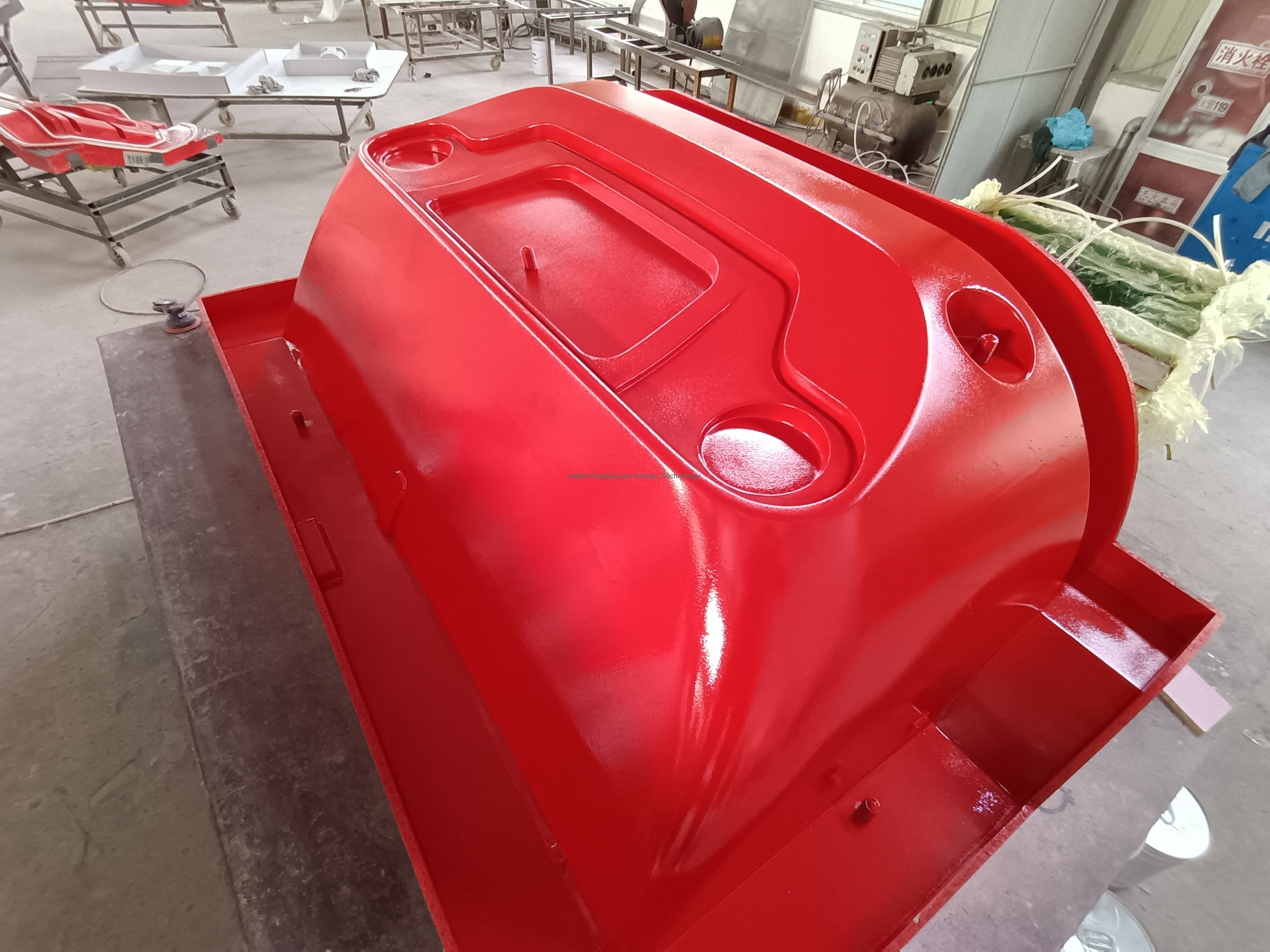
Material selection heavily influences long-term aerodynamic success. Thermoplastics like ABS or TPO are common, but they have physical limitations. Plastic deflectors often warp or flutter under constant high-speed wind pressure. This fluttering severely disrupts the airflow you are trying to smooth. A fiberglass truck air deflector provides superior rigidity under heavy loads. It maintains its engineered shape flawlessly. This rigidity ensures consistent aerodynamic performance across millions of highway miles.
Thermal stability is another critical factor. A standard plastic unit expands in extreme heat and contracts in the cold. Over time, this thermal cycling makes plastics brittle. They often crack near the mounting points. Conversely, an FRP truck fairing resists thermal degradation. Fiberglass does not warp in the desert sun. It does not become fragile during freezing winter hauls. They remain dimensionally stable year-round.
We must also weigh the benefits of FRP against traditional metals. Aluminum was historically popular for truck accessories. However, fiberglass offers the same structural integrity without the harsh weight penalty. Furthermore, aluminum dents upon impact. Once metal bends, it permanently ruins the aerodynamic profile. Fiberglass resists these minor impacts and never succumbs to rust or corrosion.
Road debris remains an unavoidable hazard for commercial fleets. Flying rocks and ice chunks will eventually strike your equipment. Cracked plastics usually require a full unit replacement. They are incredibly difficult to weld or mend. Fiberglass allows for localized composite patching. Technicians can grind out the fracture, apply new resin, and sand it smooth. This repairability extends the component's lifespan significantly.
It is crucial to approach fuel efficiency realities with objective data. Many manufacturers make exaggerated claims about aerodynamic savings. The expected baseline fuel savings typically range from 3% to 8%. The actual number heavily depends on your specific operational profile. High-speed highway routes yield the highest percentage of savings. Heavy payload weights and slower urban routes naturally dilute the aerodynamic benefits. You must model these realities accurately.
Fleet operators frequently debate adjustable versus fixed-angle components. Adjustable deflectors serve fleets hauling variable trailer heights. Drivers can crank the unit up or down to match the load. However, adjustable units feature moving parts that can wear out or jam. Fixed-angle molded pieces are highly efficient for dedicated routes. If your fleet always pulls standard dry vans, fixed models offer better durability.
Sustained drag reduction positively impacts mechanical longevity. When a truck pushes less wind, the engine works less intensely. You will notice lower RPMs required to maintain cruising speed. This reduction in engine strain compounds over long hauls. You ultimately extend the maintenance intervals for the entire drivetrain. Transmissions, cooling systems, and axles all benefit from reduced aerodynamic resistance.
Aerodynamic Configuration Comparison
Feature Category | Fixed-Angle Fiberglass | Adjustable Fiberglass | Impact on Fleet Operations |
|---|---|---|---|
Structural Durability | Maximum rigidity, no moving parts. | High rigidity, but hinges require care. | Fixed reduces maintenance overhead. |
Trailer Compatibility | Best for uniform fleet trailers. | Ideal for variable flatbeds or drop-decks. | Dictates routing flexibility for dispatchers. |
Driver Intervention | Zero driver action required. | Requires manual adjustment per load. | Fixed ensures consistent compliance. |
Aerodynamic Seal | Seamless integration to cab roof. | Slight gaps near pivot mechanisms. | Fixed often yields slightly higher fuel savings. |
The importance of dimensional matching cannot be overstated. A generic, ill-fitting deflector is a massive liability. It can actually increase drag by creating new turbulent zones around the edges. Air will slip under the gaps and crash against the trailer face. Perfect fitment ensures the air acts exactly as engineered. Custom truck exterior parts eliminate these dangerous aerodynamic leaks.
Manufacturers utilize advanced custom molding capabilities today. They use Sheet Molding Compound (SMC) or custom hand-laid FRP techniques. These processes allow them to match specific cab rooflines perfectly. The component curves seamlessly with the original factory design. They also align precisely with structurally reinforced factory mounting points. This customization guarantees both aesthetic appeal and structural safety.
When upgrading a whole fleet, procurement scalability becomes vital. You must evaluate B2B suppliers based on their production capacity. Can they produce consistent, high-volume molds? You need standardized parts across dozens or hundreds of vehicles. If a truck requires a replacement part, the new piece must fit identically. Reliable manufacturers ensure strict dimensional tolerances batch after batch.
Finally, compliance and safety standards dictate design limits. The Department of Transportation mandates specific clearance lights on commercial cabs. Custom molds must feature precise cutouts to accommodate these lights. Furthermore, the overall height must not exceed legal bridge restrictions. A poorly designed aftermarket piece could trigger costly compliance violations at weigh stations.
Deploying new exterior parts involves specific mechanical risks. Mounting and structural integrity are paramount concerns. There is a genuine risk of roof damage if load distribution is poorly engineered. Wind at 70 mph generates immense lifting force on the unit. You must evaluate the bracket designs carefully.
Drilled Brackets: Provide ultimate holding power but pierce the cab roof. They require rigorous watertight sealing to prevent interior leaks.
Clamped Brackets: Grip the rain gutters without drilling holes. They preserve the cab's integrity but must be checked for slippage.
Vibration Dampening: Always use rubber isolators between the brackets and the fiberglass. This prevents stress fractures from road vibrations.
You should also perform weight penalty audits. Fiberglass is exceptionally lightweight compared to steel. However, adding any component impacts the total gross vehicle weight. You must calculate the payload tradeoff. Does a 100-pound deflector restrict your revenue-generating cargo? In almost all long-haul scenarios, the fuel savings vastly outweigh the minor weight penalty. Still, the math must be verified.
Establishing strict maintenance protocols protects your investment. A 5-to-10-year lifecycle is entirely realistic with proper care. Technicians should conduct quarterly inspection routines. They must check for stress fractures around the mounting bolts. They also need to monitor the UV degradation of the exterior gel coat. Re-applying a UV-protectant wax keeps the fiberglass resilient and aerodynamically slick.
We recommend shortlisting next steps carefully. Never outfit an entire fleet blindly based on a brochure. Start by pilot testing a limited batch of FRP deflectors. Install them on a few trucks running your most common routes. Capture baseline telematics data over three months. Compare their fuel burn against identical trucks without the upgrades. This data secures buy-in from your executive team before fleet-wide adoption.
A fiberglass truck air deflector is not just an aesthetic upgrade. It is an engineered structural component that reliably mitigates drag through rigid shape retention. By bridging the turbulent gap, it dramatically reduces the engine's workload. Fiberglass outpaces conventional plastics by resisting thermal deformation and wind flutter. It outlasts aluminum by resisting dents and corrosion.
Procurement teams should prioritize custom-fit FRP components to guarantee seamless roofline integration. We strongly advise launching a controlled pilot testing program immediately. Validate your own fuel savings using route-specific telematics rather than relying entirely on generic manufacturer claims. Implementing rigorous mounting and inspection protocols will maximize your return on investment for years to come.
A: Typically 12 to 18 months for long-haul highway operations. This timeline is heavily dependent on current fuel prices, average annual mileage, and the specific payload weights your fleet hauls daily.
A: Yes, fiberglass is highly resistant to flexing fatigue compared to standard plastics. This makes it ideal for high-wind routes, provided the mounting brackets are properly torqued and utilize vibration dampeners.
A: For optimal airflow, the top lip of the deflector should align closely with the trailer height. Significant discrepancies will cause air to crash into the trailer face, negating the aerodynamic benefits completely.
A: Yes, minor to moderate structural damage to fiberglass can usually be repaired with composite resin and sanded down. This localized repair process is highly cost-effective compared to replacing a full molded plastic unit.


 info@xhyfrp.com.cn
 86-15801078718
 Plant No.4, Area E, Nanju Industrial Park,Hangbu Town, Shucheng County, Anhui, China


