
 86 158 01078718
 86 551 65628861
Views: 0 Author: Site Editor Publish Time: 2026-06-11 Origin: Site


High-end luxury vehicles derive value from the quality of their design and manufacture. They combine excellent engineering and material quality to deliver optimal performance. No wonder manufacturers of luxury automobiles use carbon fiber in manufacturing supercars.
But why is carbon fiber popular when building luxury automobiles? In this article, we’ll look at the properties of carbon fiber, why it is used, its applications, and how to maintain it for optimal function.
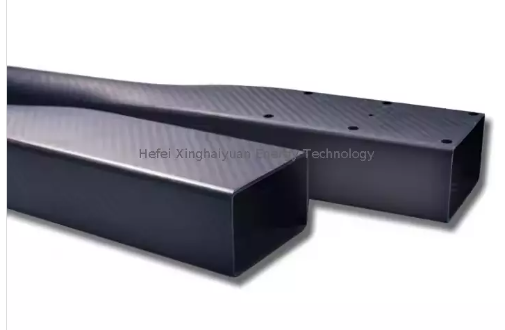
Carbon fiber is a type of polymer that is made up of strands of carbon that are crystalline in structure. It is strong, stiff, heat-resistant, but also lightweight. It is the most suitable for high-performance products such as car manufacturing. Carbon fiber can be woven into a fabric or molded into a permanent shape and then resin-coated.
Here is a breakdown of how carbon fiber is made:
Preparation of precursor material: First, the precursor material, which is usually plastic, is prepared. Other materials can be used, but plastic is the most popular one. The material is spun into threads, which are known as fiber.
Stabilization: During this process, the fibers are subjected to extremely high temperatures to prevent them from melting during the following process.
Carbonization: In this process, the fibers are subjected to extremely high temperatures in the absence of oxygen. This is what transforms the fiber into pure carbon.
Surface treatment: The carbon fibers then go through a surface treatment. This is so that they can be joined with other materials.
Weaving and moulding: Next, the fiber is molded into various shapes.
Composition: Carbon fiber is made from a polymer called polyacrylonitrile (PAN). PAN is heated to extremely high temperatures, thus becoming carbon atoms that are woven into strong threads.
Strength: Carbon fiber has a high strength-to-weight ratio. It is stronger than steel and aluminum, yet lighter.
Appearance: Carbon fiber has a distinctive black, woven appearance. It is used to enhance the aesthetics of luxury cars.
Durability: Carbon fiber has corrosion-resistant properties; thus, it is durable for use in automotive applications.
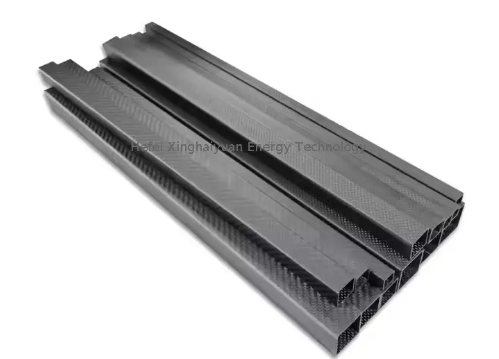
Carbon fiber is five times stronger than steel and aluminum, yet it is light in weight. It has an excellent strength-to-weight ratio, which makes it up to 70% lighter than steel and 40% lighter than aluminum. This means that luxury automobiles or cars made with carbon fiber are lighter than those made with other materials.
Carbon fiber has increased rigidity. This means it can withstand high stress and impact, providing enhanced protection in the case of an accident. This enhances performance, aerodynamics, and safety. This is why it is used to make car frames and handles, as they can maintain their structural integrity even in high-demand situations.
Carbon fiber has excellent thermal stability, characterized by high heat resistance and low thermal expansion. It also possesses mechanical strength even after exposure to extreme thermal conditions. It barely expands and contracts with temperature changes. This is why it is used to make engine parts and exhausts, where temperatures can be extremely high.
Carbon fiber does not corrode or rust, unlike metals. It also possesses high resistance to harsh environmental conditions, such as humidity, chemicals, or even the rays of the sun. The advantage of corrosion resistance results in durability and lower maintenance costs.
Another reason carbon fiber is used in luxury automobiles is its design flexibility. Beyond the standard design, carbon fiber can be molded into complex, aerodynamic shapes or sizes. Manufacturers can unleash their creativity, making unique and modern designs that cannot be done with other materials.
Carbon fiber can be used for cast molding and bladder molding without issue. It can be painted or coated in any color or finish of choice while maintaining its structural integrity.
Thanks to carbon fiber, luxury cars can have an enhanced aesthetic appeal. A woven finish gives a premium look, which appeals to car enthusiasts and enhances the value of the vehicle. In addition, the aesthetic appeal of carbon fiber consists of a smooth, shiny, and black appearance. Thus, it is applied in interior trims, exterior components, and structural parts for high-end designs.
Carbon fiber transforms how a car performs on the road. Its weight reduction leads to improved acceleration and agility, making cars respond faster to steering inputs. It also leads to better weight distribution, improved control, braking, and handling. It has natural sound-dampening properties, meaning cars produced with carbon fiber are quieter on the road than cars produced with other materials. These advantages are important in high-performance and racing cars.
Cars made with carbon fibers are more fuel-efficient. As mentioned earlier, carbon fiber is lighter than steel, aluminum, and other metals. A lighter car consumes less fuel, meaning it can travel further on a single gallon of gas thank than those made with other materials. This is especially crucial for electric vehicles (also called EVs), where weight reduction helps to extend the driving range.
Carbon fiber has a high modulus, meaning it is an ultra-stiff, lightweight material that features high-temperature treatment. It can maintain maximum strength, rigidity, and dimensional stability under high-performance applications without deforming. This is why it is used in aerospace, advanced automotive, and premium sports equipment, where high-stress situations are inevitable.
True, carbon fiber is costlier than other metals. However, it has a significant cost advantage over other materials through its long-term fuel savings, reduced maintenance, and overall ROI. Its superior strength-to-weight ratio, corrosion resistance, and durabiltiy leads to lower repair costs over the car’s lifecycle.
One of the most popular applications of carbon fibers is in the manufacturing of car hoods. Car hoods and body panels benefit from the weight reduction of carbon fiber and improved airflow management. Car hoods are often manufactured with integrated ducting and venting for both cooling and drag reduction.
The weight savings lead to improved acceleration and handling. This makes it useful in track cars and luxury performance builds.
Carbon fiber is used to make spoilers and wings. A well-designed rear wing or spoiler adds stability to cars at high speeds. Therefore, the use of carbon fiber enables these car parts to be aerodynamic, lightweight, and strong, exactly what’s needed in high-demand environments. The high strength-to-weight ratio of carbon fibers supports aggressive driving.
Furthermore, custom layups help these vehicles adapt to stress zones, enhancing their high performance.
Airflow efficiency as well as engine bay temperatures are important in automobile aerodynamics. Thus, carbon fiber is used to make intake boxes, ducts, and engine covers that reduce heat soak and shave pounds without compromising durability.
This leads to heat-resistant resin systems that remain stable even under high temperatures. It also leads to sleek, customized solutions for performance optimization.
Luxury automobile and sport cars manufacturers use carbon fiber trim to enhance the interior experience. The visual appeal and aesthetic value of carbon fiber deliver a high-tech look alongside a tactile edge. This is why it is used to make dash overlays, console panels, and door trims.
Furthermore, carbon fiber can be combined with other materials like leather and aluminum to create a premium finish.
Carbon fibers are used to manufacture splitters, diffusers, and canards. These aero components are placed in high-wear, high-impact zones. The thermal stability and high modulus of carbon fiber make it useful in manufacturing components that will not only survive pressure but shines while doing so. Carbon fiber is used to manufacture impact-resistant layups. It is also used for racing cars and other automobiles that need aggressive street builds.
In luxurious and elite racing, the driver's seats and structural components need high strength and durability during accidents and other demanding situations. This is why carbon fiber is used to manufacture them. Since it has extreme weight savings, it is used to produce seats that deliver high performance. Although they are not used in consumer cars, they are used in high-end luxurious vehicles.
Carbon fiber is molded to exact driver ergonomics and used to make FIA-compliant structures.
Carbon fiber is used to make tyres and batteries. Car tyres use carbon fiber to improve durability, handling, and driving experience. This finds application in racing applications, where carbon fiber reinforcement offers greater contact with the road surface for improved handling.
Carbon fiber is also used to make high-voltage batteries, which are crucial for increased performance, cost-efficiency, and compatibility with different car models.
Carbon fiber is used to make car wheels. This leads to improved handling and a high driving experience for car enthusiasts. It also reduces road noise and vibration, leading to faster acceleration.
Regular cleaning: Regularly clean carbon fiber parts to keep their shiny, premium look. Use mild soap and water to remove grime, dust, and dirt. Ensure you do not use abrasive cleaners or ammonia-based products. Use a soft microfiber towel to avoid scratching. Clean after long rides or after exposure to salt, moisture, or other contaminants.
Avoid direct sunlight: Carbon fiber is sensitive to sunlight. Extensive exposure to UV rays can affect the premium look of carbon fiber. It can also damage the resin in carbon fiber. Therefore, do not expose parts to direct sunlight for a long time. For extra protection, apply a specialized wax, sealant, or ceramic coating to protect against oxidation and yellowing. This ensures that parts remain durable and efficient.
Check for damage: On regular occasions, inspect carbon fiber parts for cracks or chips. Check for signs of deformation or deep scratches. Regular inspection should be done after high-impact scenarios or after the vehicle has undergone high-stress situations. If you detect any issues, address them promptly to prevent bigger problems.
Professional repairs: Some minor repairs can be done by yourself with basic knowledge. However, if there is significant damage, always seek professional repair services, as fixing this yourself can worsen the issue.
Maintain protective coating: Machine polishing your carbon fiber part can ensure the protective coating of the part stays in the best shape possible. You can use a single-stage polish on parts that show heavy degradation or a medium/firm foam polishing pad to keep its high-gloss finish.
Handling: Avoid placing heavy or sharp objects on the parts. Doing so can cause scratches or damage to the resin finish.
This article has outlined the reasons why carbon fiber is popular when building luxury automobiles. Carbon fiber is strong, lightweight, durable, fuel-efficient, and flexible in design. As car manufacturers are looking for innovative ways to improve their cars, carbon fiber cars will always be on the road.
If you want to learn more about carbon fiber or place a quote for any of our services, contact us now.
A:Yes, carbon fiber makes cars faster by reducing their weight while maintaining their strength. It leads to faster acceleration, faster response, and better braking performance. This enhances overall efficiency and high-speed stability.
A:Carbon fiber cars are safe, offering high structural integrity and enhanced protection in the event of an accident. They can withstand high-speed impact and high-stress situations.
A:Carbon fiber generally has a lifespan of 20 to 50 years. However, their longevity depends on the resin, UV exposure, manufacturing quality, and mechanical stress. Because of its durability, it provides fatigue resistance to car parts compared to other materials.
A:Yes, carbon fiber is five times stronger and stiffer than steel. This is why it is used in automotive and sports equipment.
A:No, carbon fiber is not more bulletproof than steel. While it has higher tensile strength, it is brittle and cannot absorb ballistic impact.


 info@xhyfrp.com.cn
 86-15801078718
 Plant No.4, Area E, Nanju Industrial Park,Hangbu Town, Shucheng County, Anhui, China


